
Recent Blogs
Microcement Vs. Polished Concrete Cost: Which Option Is More Cost-Effective?

When comparing modern flooring solutions, many property owners ask how microcement vs. polished concrete cost stacks up in real-world applications. Both options offer sleek, contemporary finishes and reliable performance, but the true cost goes beyond installation. Factors such as surface condition, labor, durability, maintenance, and long-term value all play a role in determining which option is the better investment.
At Premier Polishing Corp, we help clients evaluate these variables to choose the right flooring system for their space and budget.
Initial Installation Costs
The upfront cost difference between microcement and polished concrete largely depends on the installation process and the condition of the existing surface.
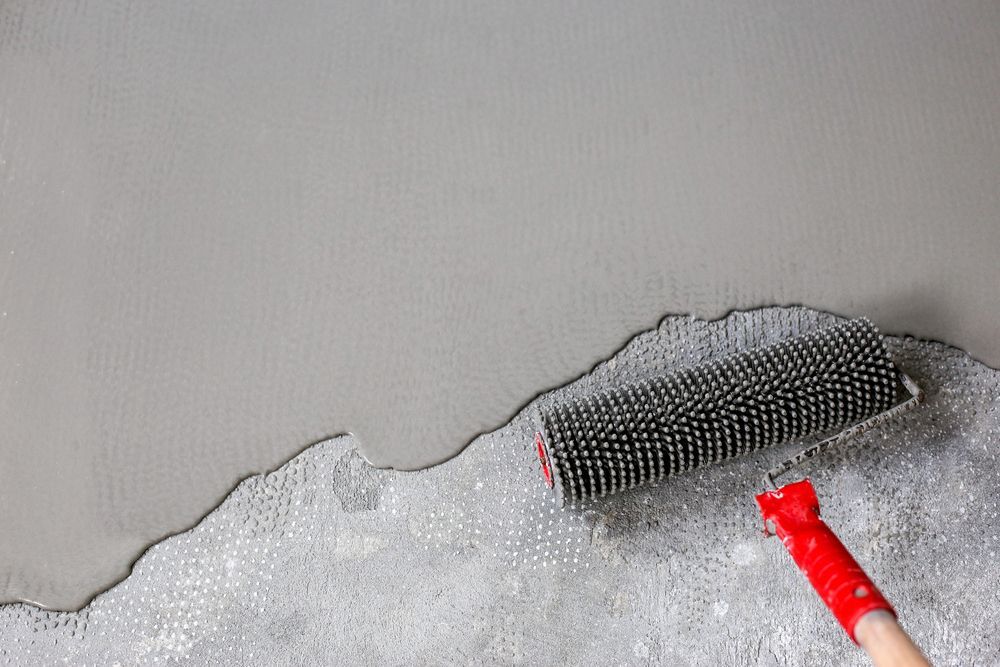
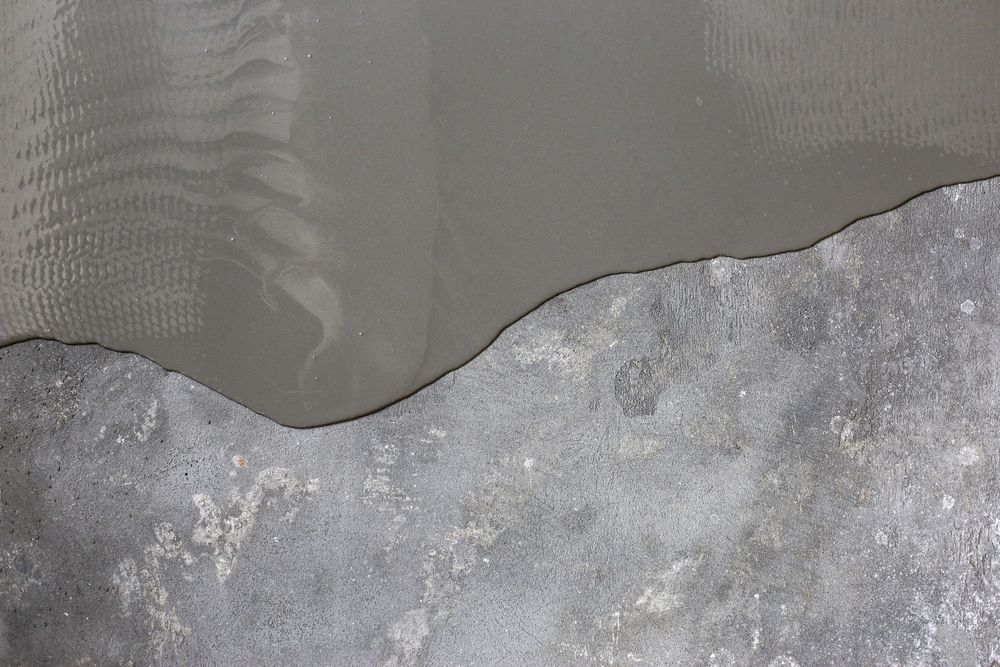
Microcement is applied as a thin coating over an existing substrate, which can eliminate demolition costs. However, it requires multiple layers and detailed hand application, making it more labor-intensive and often increasing installation costs.
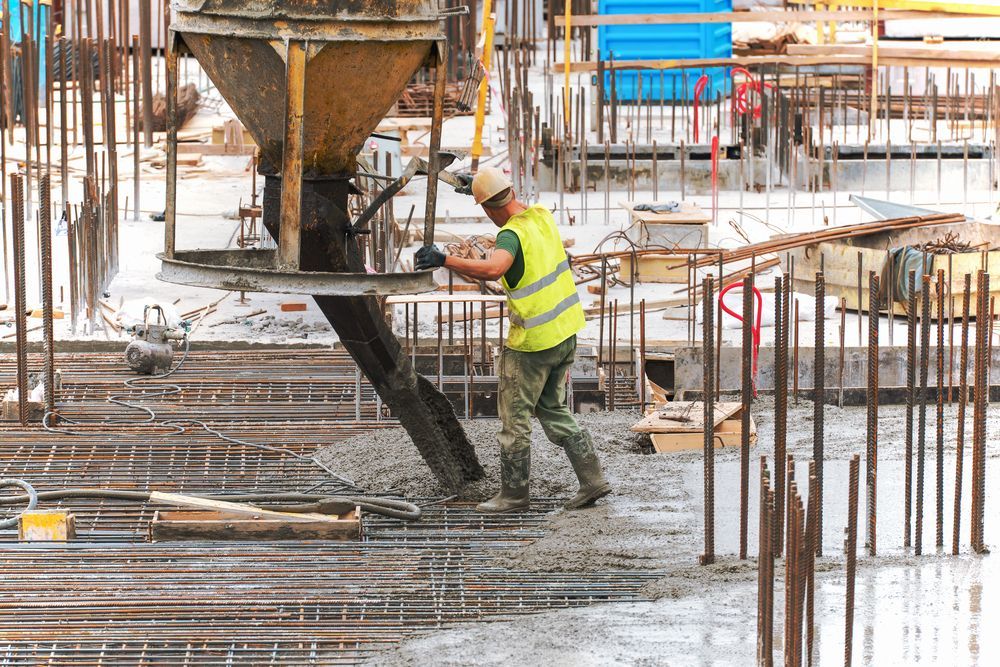
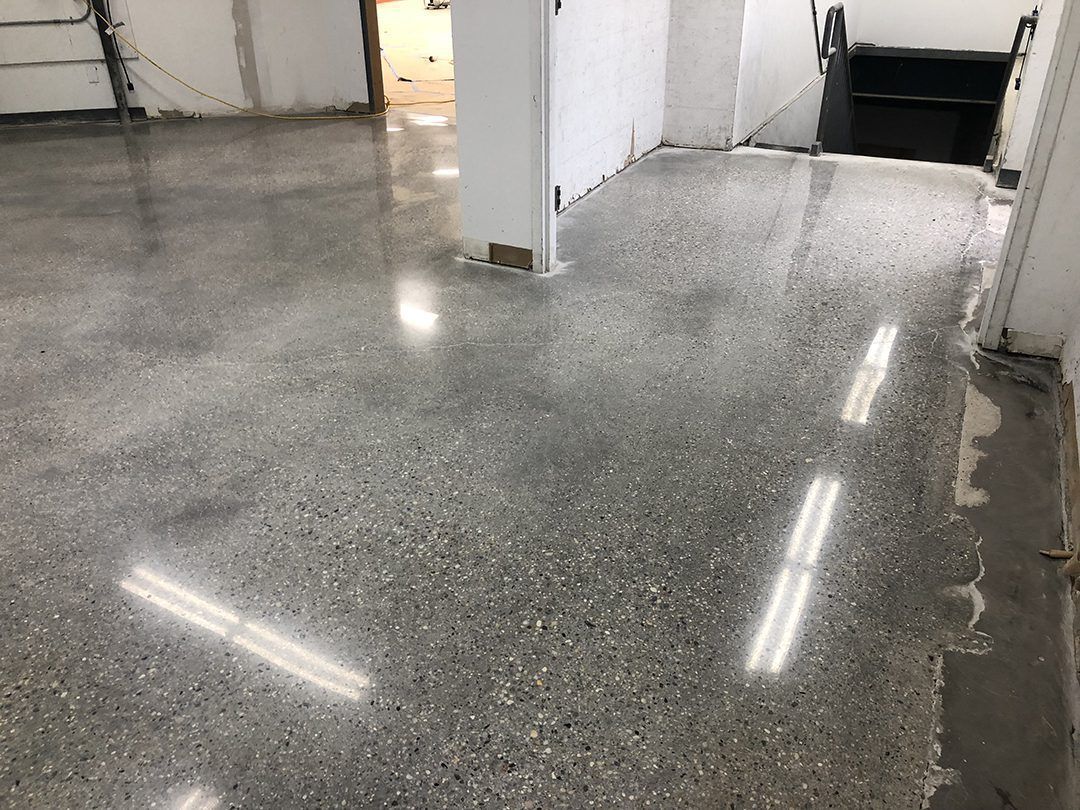
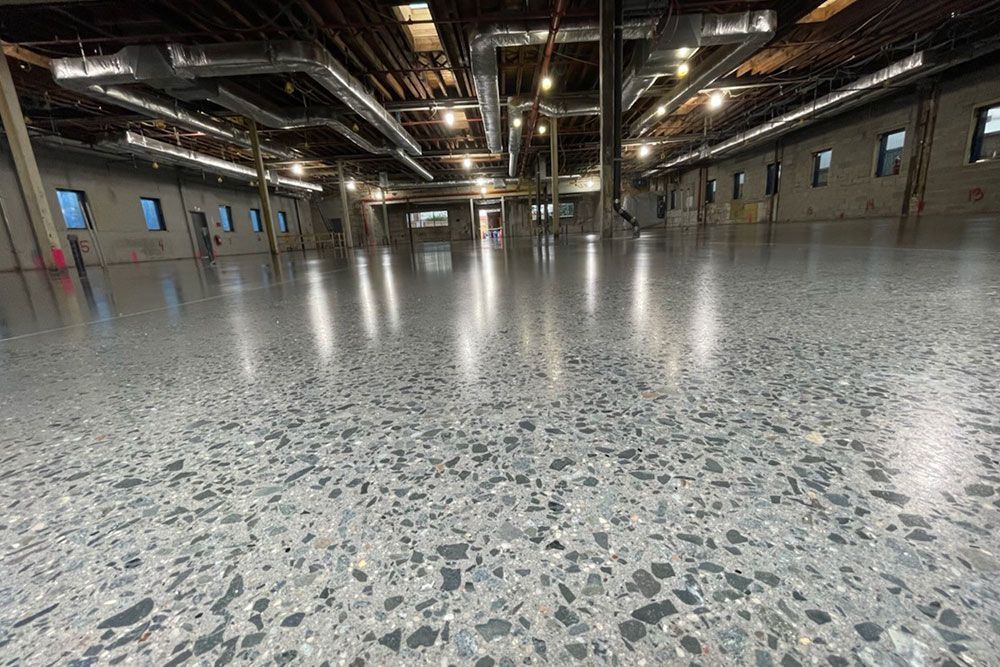
Polished concrete, on the other hand, uses the existing concrete slab. Through grinding, honing, and polishing, the surface is transformed into a durable, high-performance finish. When the slab is in good condition, polished concrete is typically the more cost-effective option upfront.
A professional evaluation of the substrate is critical, as it often determines which system will be more budget-friendly from the start.
Durability and Maintenance Over Time
Long-term performance is where cost differences become more significant. Polished concrete is widely recognized for its durability, especially in high-traffic environments like warehouses, industrial facilities, and commercial spaces. It requires minimal maintenance beyond routine cleaning and does not rely on coatings that wear down over time.
Microcement is also durable but functions as a coating system. In demanding environments, it may be more susceptible to surface wear and can require periodic resealing or refinishing to maintain its protective layer and appearance.
For spaces with heavy use, polished concrete typically delivers lower lifetime maintenance costs.
Design Flexibility vs. Budget
Microcement stands out for its design versatility. It can be applied to floors, walls, stairs, and vertical surfaces, creating a seamless, modern aesthetic across an entire space. This makes it especially popular in residential, retail, and hospitality environments where visual impact is a priority.
Polished concrete offers a more limited range of finishes, including varying levels of sheen and exposed aggregate. While less flexible, it provides a clean, timeless look that performs well in both commercial and industrial settings.
If your project prioritizes design customization and seamless finishes across multiple surfaces, microcement may justify a higher upfront investment.
Project Scope and Application
The type of project also influences cost-effectiveness. Microcement is often ideal for renovation projects where avoiding demolition is a priority. It can be applied over existing materials, reducing structural changes and speeding up transformation.
Polished concrete is better suited for new construction or projects with an existing concrete slab in good condition. In these cases, it offers a highly durable and efficient flooring solution with fewer material layers.
Choosing the right system depends on how the space is being used and the condition of the existing structure.
Long-Term Value and ROI
The real comparison in microcement vs. polished concrete cost comes down to long-term return on investment. Polished concrete typically offers greater value over time due to its longevity, durability, and low maintenance requirements.
Microcement provides value through design flexibility and the ability to update spaces quickly without major structural work. However, potential maintenance and refinishing costs should be considered when evaluating long-term expenses.
Both options can be strong investments when matched correctly to the environment and project goals.
Making the Right Choice
Choosing between microcement and polished concrete isn’t just about upfront pricing—it’s about performance, maintenance, and how the material fits your space over time.
- Choose polished concrete for durability, low maintenance, and long-term cost efficiency
- Choose microcement for design flexibility, seamless finishes, and renovation projects
Working with experienced professionals ensures the right system is selected and installed properly for lasting results.
Partner with Premier Polishing Corp for expert guidance, high-quality materials, and flooring solutions designed to balance cost, performance, and aesthetics.