
Recent Blogs
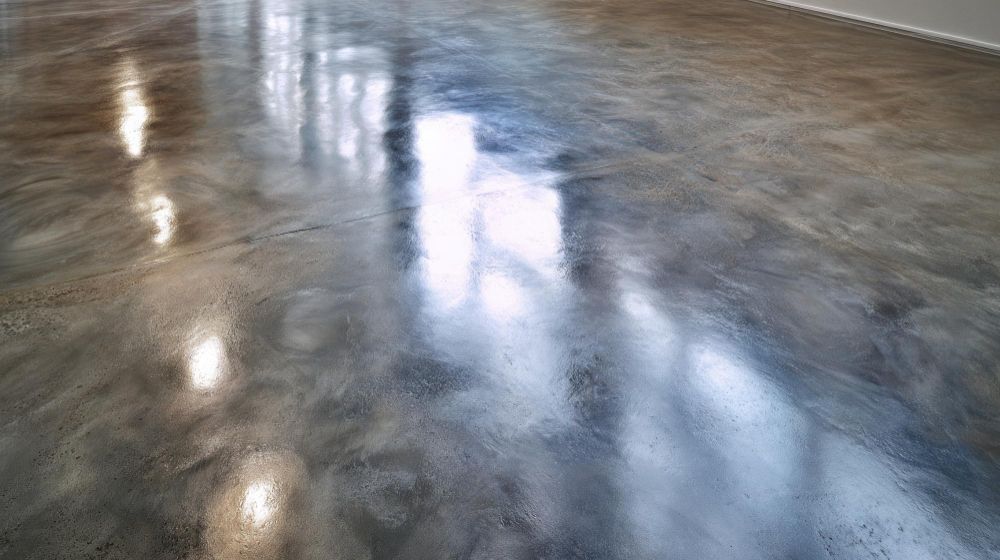
Polished Concrete Floors Cost Vs. Hardwood: A Detailed Comparison
Quick Summary
This blog post compares polished concrete and hardwood through upfront pricing, installation needs, maintenance costs, durability, and repair value. It explains how polished concrete can offer stronger cost control when an existing slab is suitable, while hardwood often carries higher material, labor, and refinishing expenses. The article also shows how traffic level, surface condition, and design goals help you decide which flooring option fits your space best.
Flooring budgets can feel simple at first, until you compare what each material needs before it is ready for daily use. Polished concrete and hardwood both create beautiful interiors, yet they follow very different cost paths. One may depend on the condition of an existing slab, while the other often begins with material selection, subfloor prep, and installation details. That is why polished concrete floors cost vs. hardwood deserves a closer look before you commit to a finish. Your space, traffic level, maintenance expectations, and design style all shape the real value.
Let’s compare the details that influence the final decision.
Upfront Cost
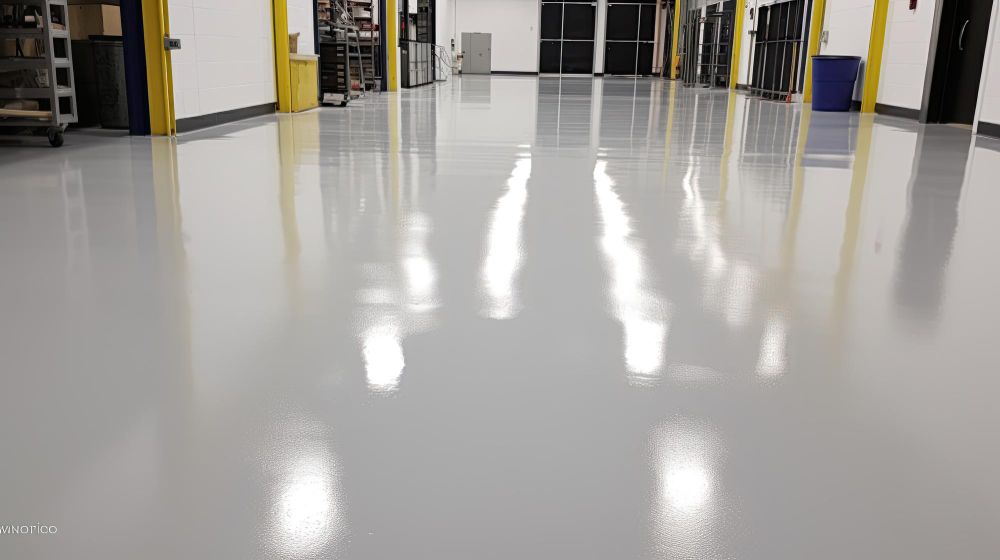
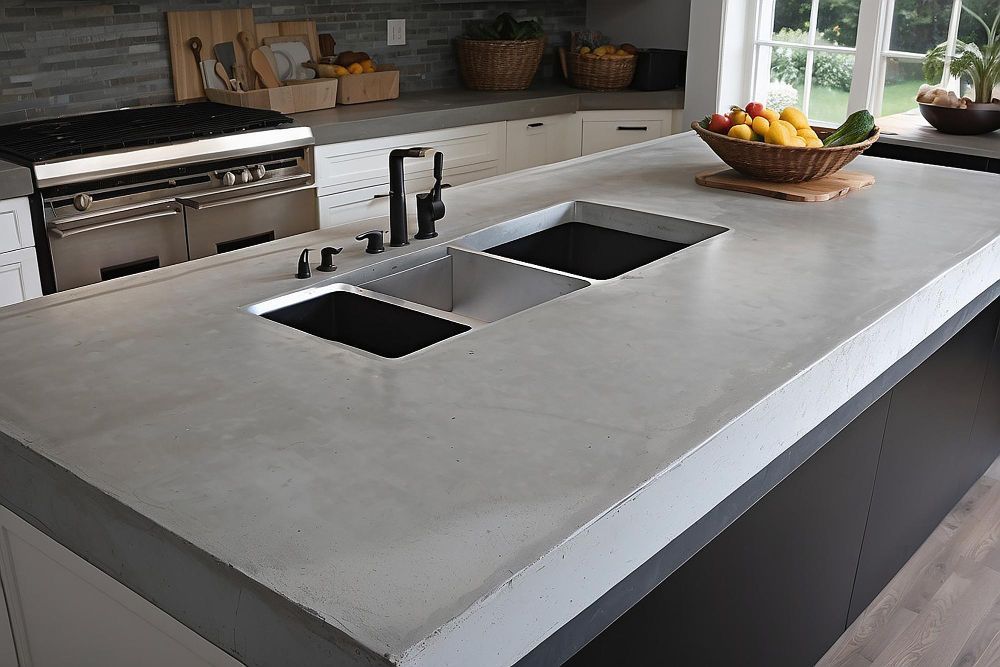
At the first budgeting stage, the numbers usually show a clear difference between both materials. Polished concrete is often listed around $3 to $12 per square foot for basic finishes, while decorative work may reach $5 to $15 or more per square foot. Hardwood usually sits higher, with installed pricing often around $9 to $25 per square foot.
That price gap can grow across basements, restaurants, showrooms, offices, and open residential layouts. A usable slab may help polished concrete stay closer to its lower range. Wood pricing grows through species, plank width, trims, transitions, and labor. The fairest comparison looks at the surface you already have, then weighs that against the full installed cost of hardwood from material purchase to final finish.
Installation Process
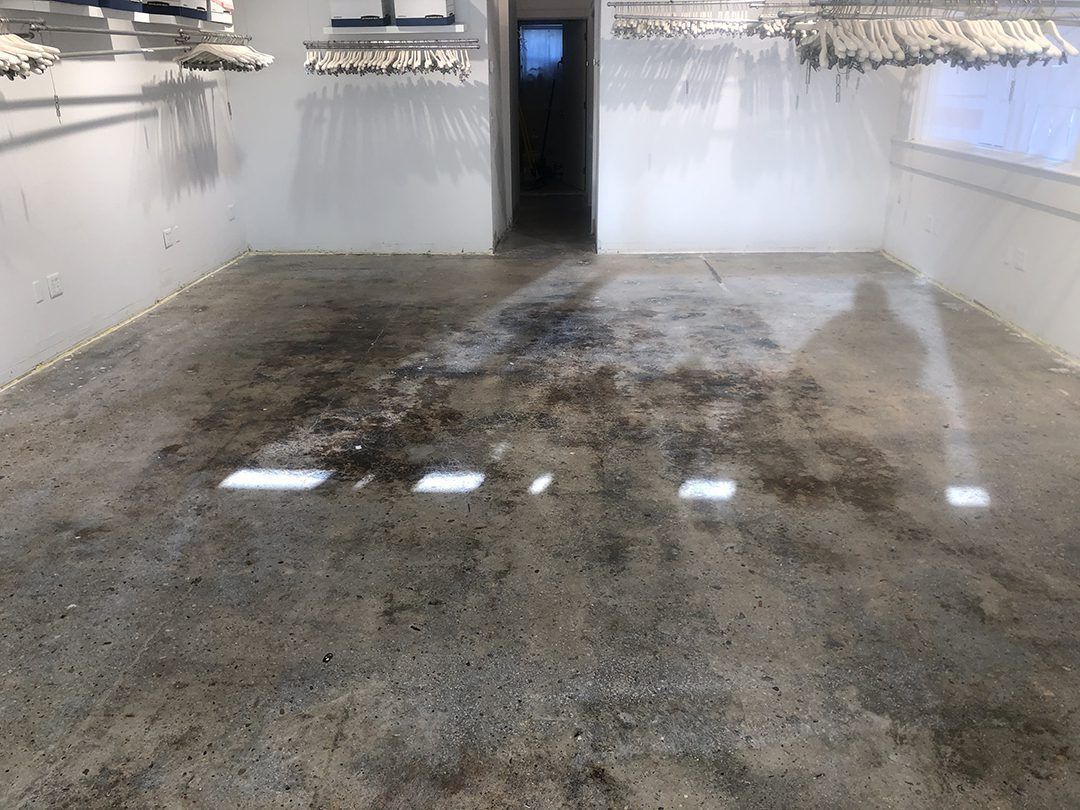
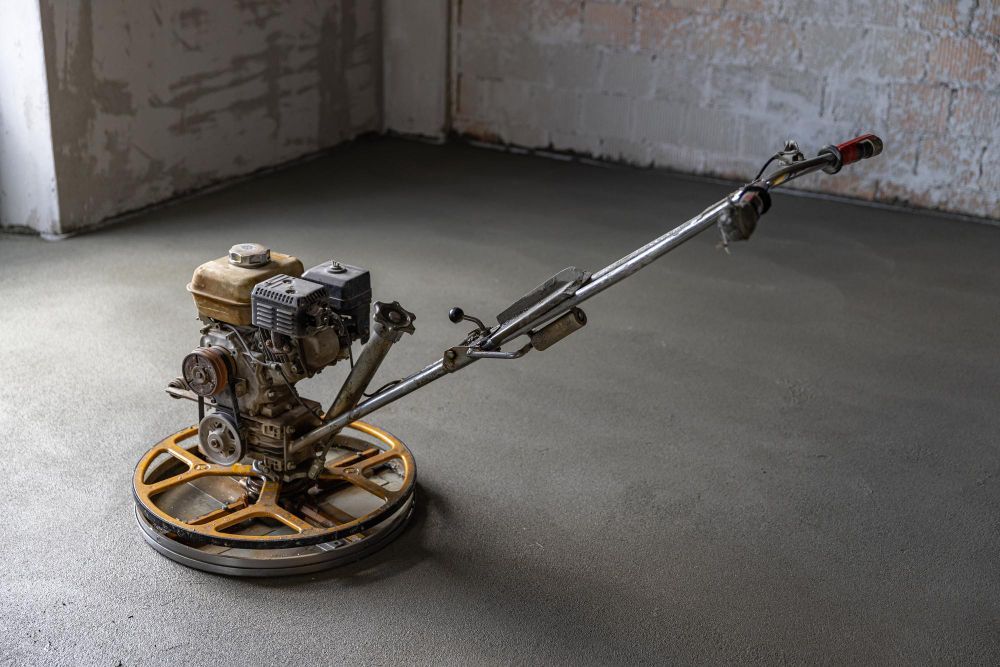
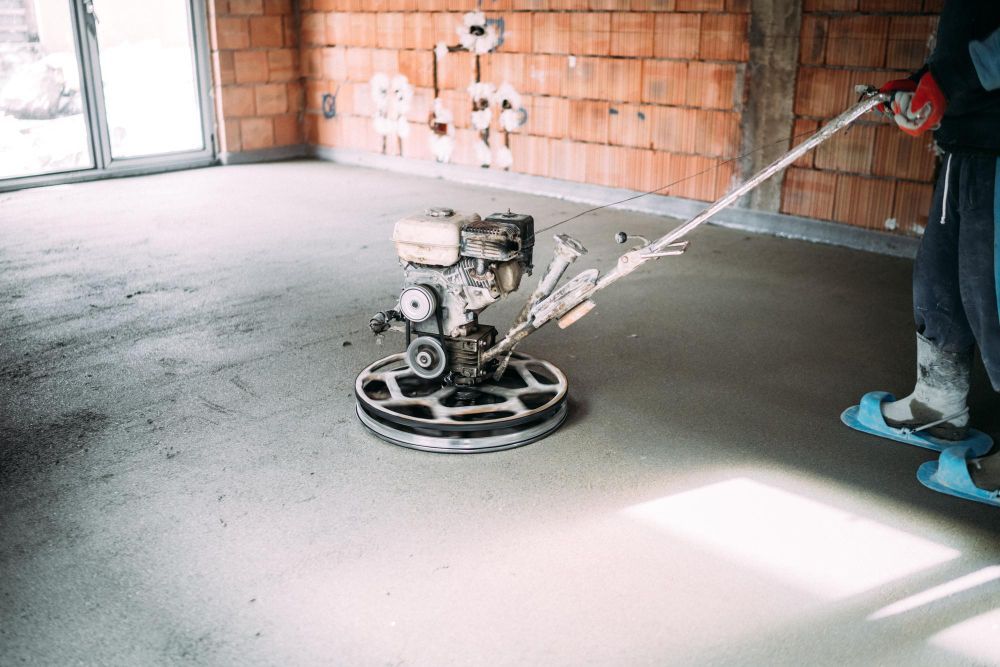
Before any finish is installed, the existing surface can shift the price in a major way. For polished concrete, the project may need grinding, densifying, sealing, or a grind and seal system. If glue, paint, mastic, cracks, moisture concerns, or uneven areas are present, surface preparation can move the budget above the basic range. Decorative staining, overlays, underlays, or microtopping can also raise the total.
Hardwood carries another set of installation costs, often tied to subfloor correction, moisture testing, acclimation, plank layout, sanding, and finishing. Premium wood species or complex patterns can push the installed price higher. A cost comparison should review labor, site condition, and finish expectations together so the final number reflects the real work required.
Maintenance Cost
Long after installation, daily care can affect the total cost of each flooring choice. A polished concrete surface usually needs dust mopping, proper cleaning products, quick spill cleanup, and periodic professional care based on traffic. That routine is often easier to plan than wood refinishing or board repair.
Hardwood requires closer attention to moisture, furniture movement, pet marks, scratches, and indoor climate. Professional refinishing is often listed around $2 to $8 per square foot, which can become expensive across larger rooms or commercial spaces. Polished concrete may still need refresh work in active settings, but it avoids the plank by plank repair pattern that often affects hardwood. Over time, that difference can support more predictable upkeep and fewer surprise floor expenses.
Durability and Repair Cost
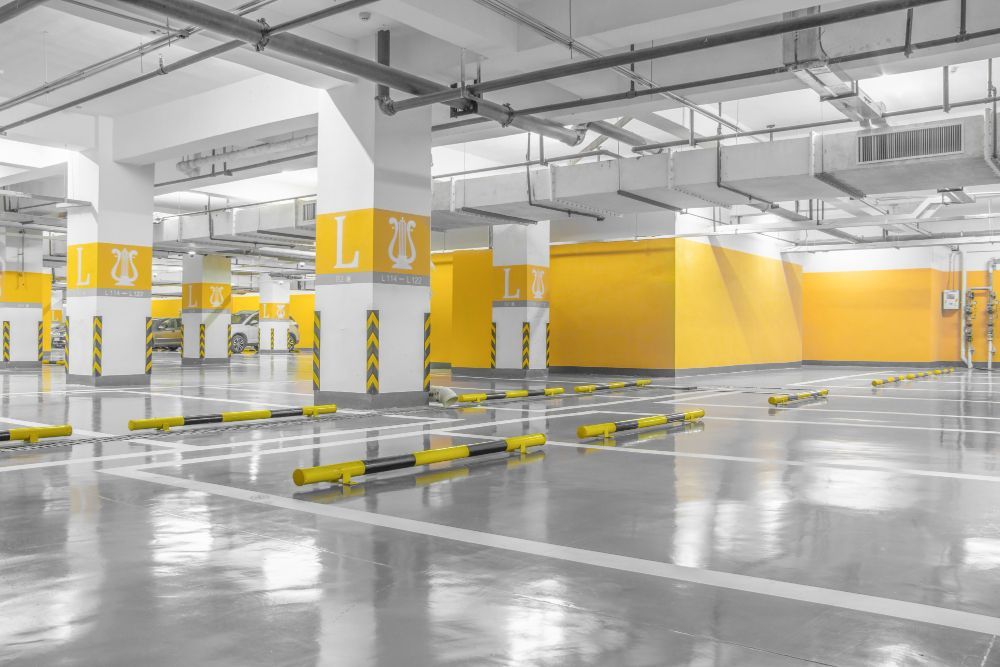
For spaces with steady activity, durability can change the real price you pay over time. Polished concrete performs well under foot traffic, rolling equipment, furniture movement, and commercial use when the finish system matches the space. It offers a seamless surface that can be refreshed without dealing with separate boards. Hardwood provides warmth and natural character, which can suit bedrooms, dining rooms, and traditional interiors. Still, dents, gouges, water exposure, pet claws, and finish wear can lead to added repair costs. Damaged boards may require color matching, sanding, or section replacement. A floor that starts around $9 to $25 per square foot installed can become more costly when repairs return often. In active areas, polished concrete often creates steadier value through stronger wear resistance.
Which Flooring Choice Makes More Sense For Your Space?
When you compare polished concrete and hardwood, the smarter choice comes from looking at upfront price, installation needs, maintenance, durability, and the way each surface supports your daily use. Hardwood can bring warmth and familiar character, while polished concrete can offer strong value for active homes, retail spaces, offices, restaurants, basements, and commercial interiors. At Premier Polishing Corp, we help you review slab condition, design goals, and traffic demands before recommending polished concrete, grind and seal, underlays, overlays, microtopping, epoxy flooring, or detailed surface preparation. Our civil engineers, trained crews, in house logistics, advanced tooling, quality materials, and over 75 years of combined experience help us hold each project to high standards.
Contact us today to discuss your flooring project. We can help you choose a finish that fits your space, budget, and performance goals.
FAQs
Is polished concrete cheaper than hardwood?
Polished concrete is often more cost efficient when your space already has a usable slab. Basic polished concrete is commonly priced lower than installed hardwood, which includes material, subfloor prep, labor, trim, and finishing. The final cost still depends on slab condition, surface preparation, decorative choices, and the level of polish you want.
What makes hardwood flooring more expensive over time?
Hardwood pricing can rise through wood species, plank width, installation pattern, subfloor correction, moisture testing, and finishing work. Larger rooms also increase material and labor needs. Over time, hardwood may need refinishing, scratch repair, or board replacement, so the full budget should include both installation cost and future care planning.
Which flooring option works better for high traffic areas?
For high traffic areas, polished concrete often offers stronger performance and steadier value. Its seamless surface can handle foot traffic, rolling equipment, and active daily use when the right system is installed. Hardwood can still work in lighter use spaces, but dents, scratches, moisture exposure, and finish wear may raise repair costs.