
Recent Blogs
Epoxy Vs. Urethane Floor Coatings For Commercial And Industrial Spaces
Quick Summary
Epoxy and urethane floor coatings both offer strong protection for commercial and industrial spaces, but they perform differently under daily use. Epoxy supports strength, impact resistance, design flexibility, and dependable concrete protection, while urethane can add abrasion resistance, flexibility, and better performance in heat, moisture, or frequent cleaning conditions. The right system depends on traffic, chemicals, maintenance needs, downtime, and the working environment of your facility.
Commercial and industrial floors carry more than foot traffic. They support equipment, inventory, cleaning routines, spills, temperature changes, and the pace of daily operations. When the concrete surface starts taking that pressure, the coating system becomes part of how the facility performs. That is why the epoxy vs. urethane floor coating question comes up so often for warehouses, kitchens, labs, showrooms, and production spaces. Each option brings a different balance of hardness, flexibility, protection, appearance, and maintenance value.
To make the choice clearer, let’s compare both systems through the conditions your floor faces every day inside your facility today.
Strength and Daily Floor Traffic
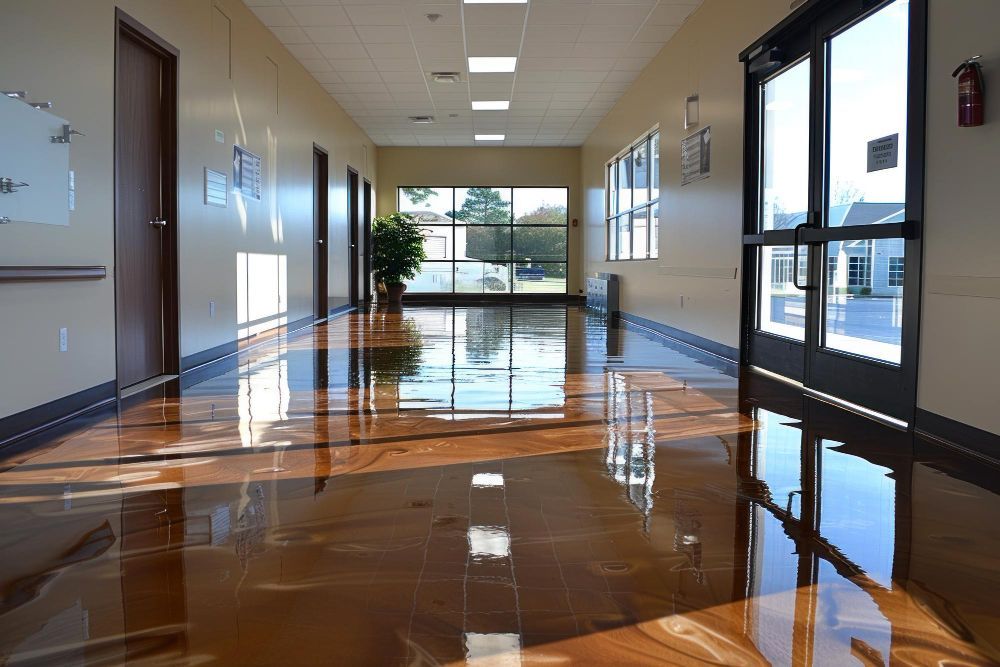
Heavy traffic can expose the difference between a hard coating and a more flexible coating. Epoxy flooring is a strong option for spaces that handle foot traffic, carts, pallet jacks, forklifts, and equipment movement each day. It creates a firm protective surface over properly prepared concrete, which supports warehouses, garages, retail areas, and production floors. Urethane responds well in spaces where rolling loads, turns, and repeated movement place steady stress on the finish. Its flexibility and abrasion resistance can help reduce visible wear in active zones. The right choice depends on how the floor is used hour after hour without unnecessary strain on daily workflows.
Impact, Scratches, and Surface Wear
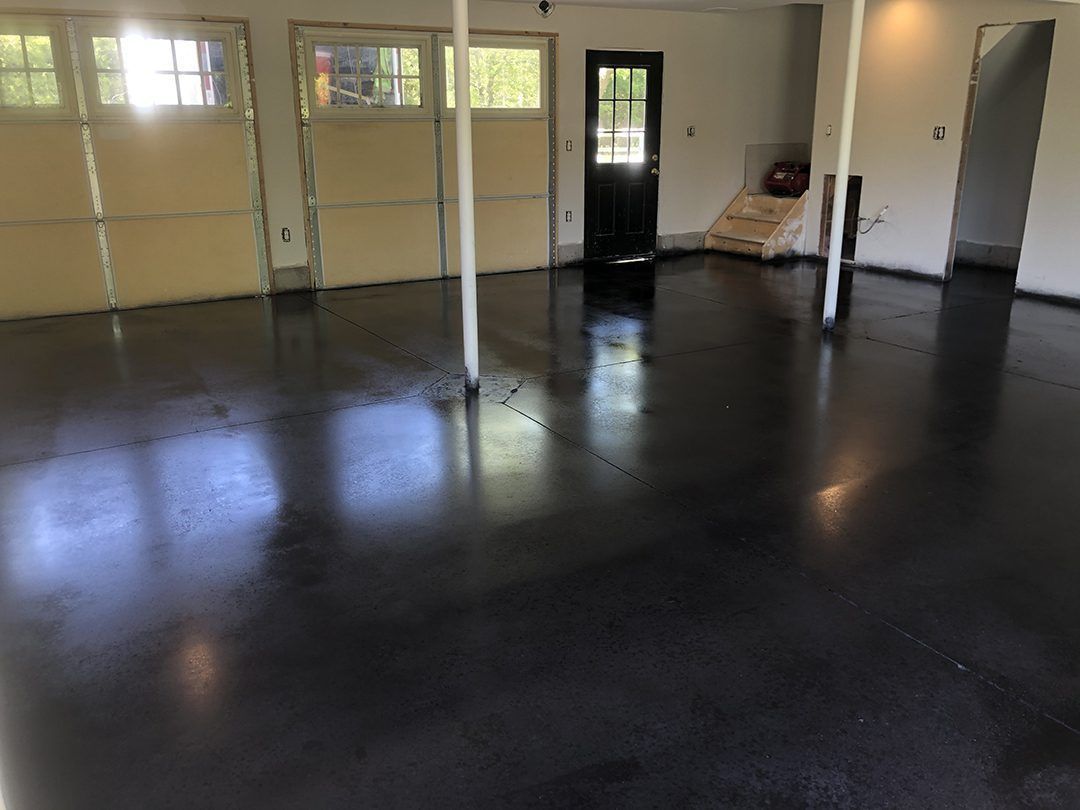
Active work areas often face dropped tools, dragged materials, and surface contact from equipment. Epoxy is often chosen when a facility needs strong impact resistance and a dense coating layer over concrete. That hardness can help protect the slab from chips, stains, and daily damage in busy spaces. Urethane brings an advantage when scratches, tire marks, and surface abrasion are frequent concerns. It can serve as a protective wear layer over the right base system. When a space faces both impact and surface wear, a combined coating system can create a stronger balance between toughness and appearance while still keeping the floor visually controlled.
Chemical, Moisture, and Stain Resistance
Spills, washdowns, and cleaning products can quickly test a floor coating system. Epoxy creates a seamless barrier that helps protect concrete from oils, mild chemicals, moisture, and stains when the system fits the space. This makes it practical for shops, warehouses, labs, and commercial areas that need a clean protective finish. Urethane can add more support where frequent cleaning, sanitation, or chemical contact creates extra surface demand. Cementitious urethane is often used in damp or sanitary settings with tougher exposure levels. Each option should be matched to the liquids, cleaning schedule, and daily operating conditions inside the facility before a coating system is selected.
Heat and Thermal Shock Performance
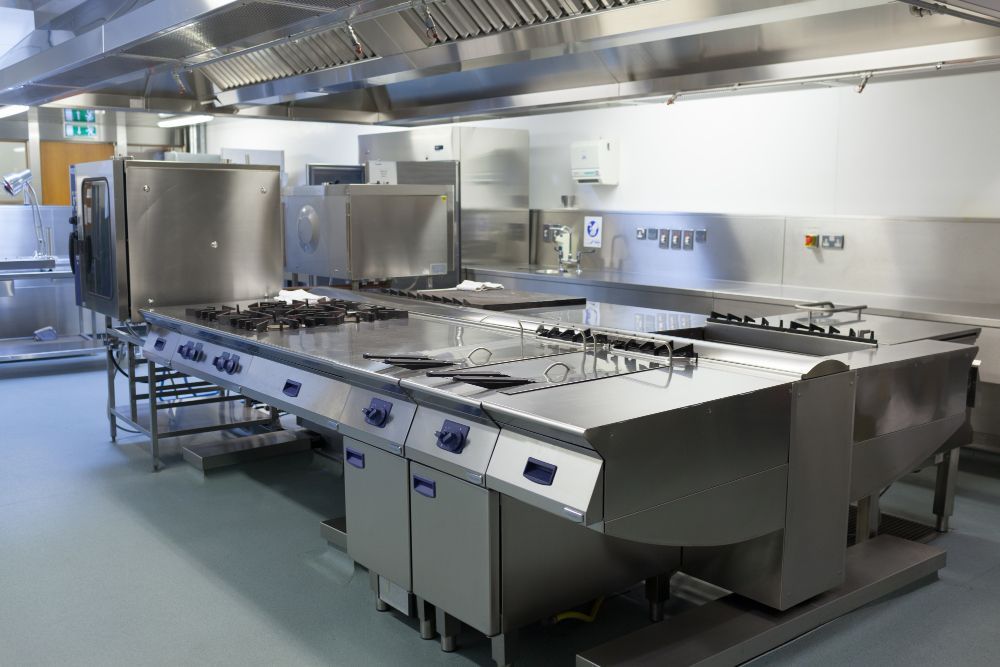
Temperature stress can affect coating performance in ways that are easy to overlook. Epoxy performs well in controlled commercial and industrial spaces where heat, moisture, and cleaning temperatures stay within the system limits. With proper surface preparation, it can give the concrete a strong and reliable base. Urethane, especially cementitious urethane, can be a better fit for hot water, steam cleaning, damp conditions, or rapid temperature changes. This makes it useful for food production, commercial kitchens, and pharmaceutical spaces with strict performance needs. The environment should guide the coating choice as much as the traffic level before a floor system is specified for installation.
Appearance, Finish, and Design Options
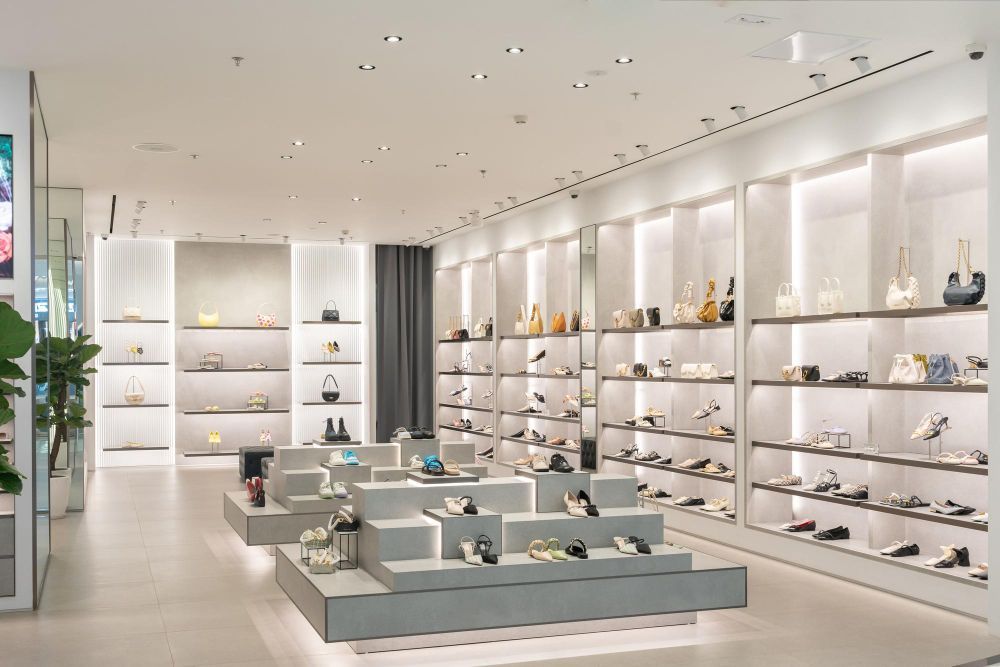
A floor coating also shapes how a commercial or industrial space looks to employees, visitors, and clients. Epoxy offers broad design flexibility through solid colors, decorative flakes, metallic effects, gloss levels, texture, and slip resistant finishes. It can help a showroom, garage, office, or retail floor look polished while still adding functional protection. Urethane is often selected when the finished surface needs extra resistance against abrasion, UV exposure, or regular cleaning. In some projects, epoxy provides the build and visual style, while urethane protects the top surface. That pairing can support design, safety, and daily performance together without losing the finish your space needs.
Maintenance, Downtime, and Overall Value
Facility costs continue after the coating is installed, so maintenance and downtime deserve close attention. Epoxy can offer strong value when a space needs durability, visual appeal, and reliable protection under routine use. Urethane can add value when abrasion, cleaning frequency, UV exposure, or temperature stress may shorten the life of a standard finish. Return to service timing also plays a role, since preparation, cure time, and scheduling can affect operations. The lowest upfront price may lead to more disruption later when the system does not fit the space. Better value comes from performance that supports daily work with fewer interruptions across busy facilities.
Build a Floor System That Works as Hard as Your Facility
Choosing the right coating comes down to how your facility works each day. Epoxy can support strength, impact protection, and design flexibility, while urethane can add abrasion resistance, flexibility, and stronger performance under heat, moisture, or frequent cleaning. At Premier Polishing Corp, we help you connect those performance needs with the right flooring system, from epoxy flooring and urethane epoxy systems to cementitious urethane, surface preparation, grind and seal, and polished concrete. Our in house civil engineers, trained crews, in house logistics, advanced tooling, and high standards allow us to approach each commercial and industrial floor with precision, quality, and practical planning.
Contact us today to discuss your facility, your concrete, and your performance goals. We can help you move forward with a floor coating system built for real daily use.
FAQs
Is epoxy or urethane better for commercial floors?
Neither coating is automatically better for every facility. Epoxy is often preferred when the floor needs hardness, impact resistance, and design flexibility. Urethane is often stronger for abrasion resistance, flexibility, frequent cleaning, and heat or moisture exposure. A professional assessment should review traffic, chemicals, concrete condition, downtime, and safety needs before selecting the system.
Can epoxy and urethane be used together?
Yes, many commercial and industrial floors can use both in one system. Epoxy may create the build, adhesion, and visual base, while urethane may protect the surface from abrasion, UV exposure, cleaning stress, and wear. This approach can support strength and surface durability when the system is specified for the facility.
When should a facility consider cementitious urethane?
Cementitious urethane can be a strong option for spaces exposed to heat, moisture, hot water, steam cleaning, or strict sanitation needs. It is often considered for commercial kitchens, food processing spaces, pharmaceutical areas, and damp environments. The right choice depends on operating conditions, cleaning routines, and the existing concrete surface.