
Recent Blogs
How Long Does Polished Concrete Last? Understanding Its Durability
Quick Summary
Polished concrete can last 20 years or more when the slab is strong, the surface preparation is done properly, and the finish matches the way the space is used. Its durability depends on traffic, daily wear, maintenance habits, cleaning products, moisture, spills, and environmental exposure. With the right system and professional support, polished concrete can remain attractive, functional, and dependable for homes, commercial spaces, warehouses, and industrial facilities.
Choosing a floor for your home, showroom, warehouse, or commercial space means thinking beyond appearance. You want a surface that can handle daily use, stay attractive, and give strong value over time. That is why a common question we hear is, how long does polished concrete last? The answer depends on the slab, polishing process, traffic level, cleaning routine, and exposure to moisture or chemicals.
With the right system and care, polished concrete can remain durable and visually appealing for decades, so let’s look at the average lifespan and the specific factors that shape it in real project conditions today.
The Average Lifespan of Polished Concrete
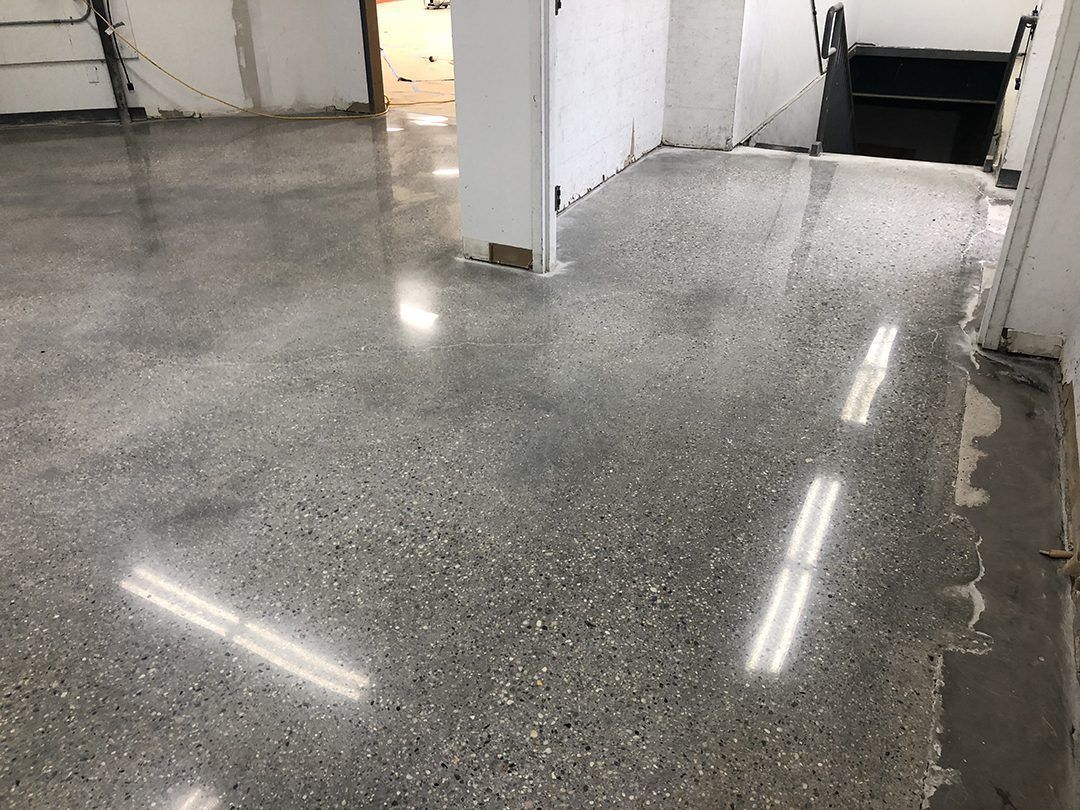
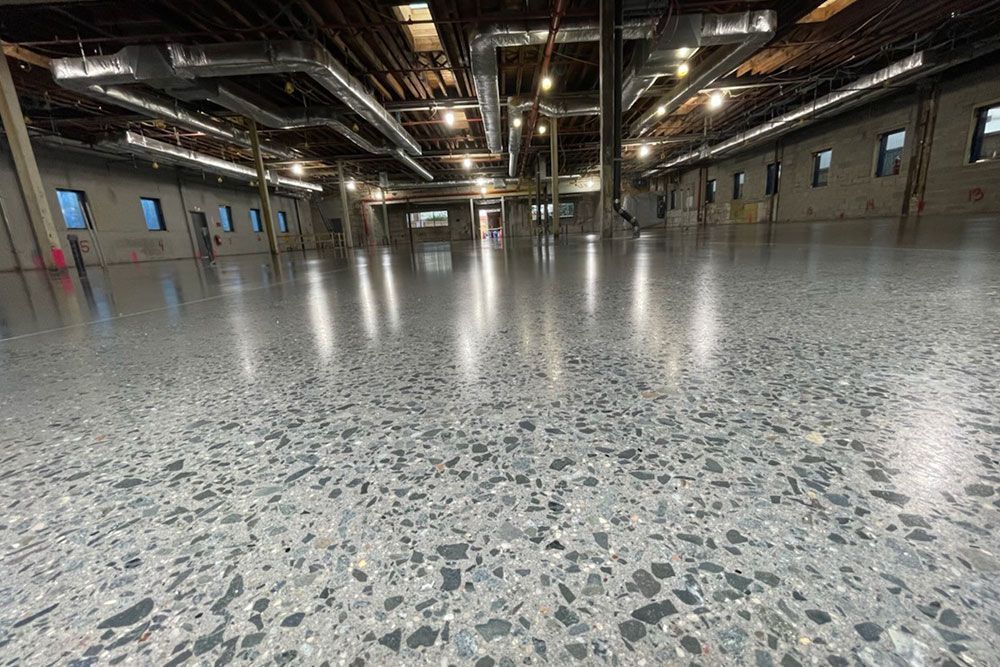
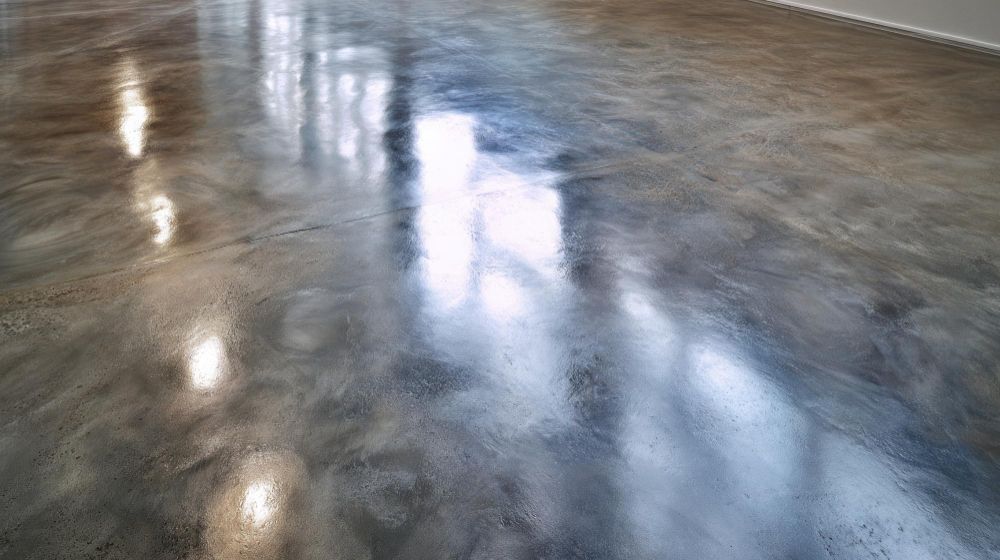
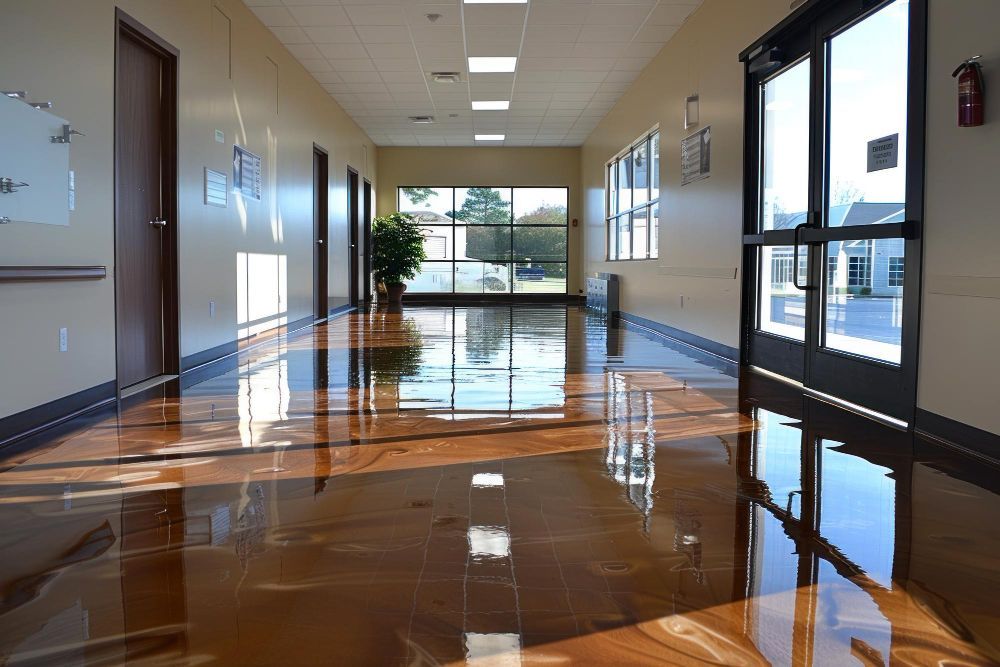
A properly installed polished concrete floor can often last 20 years or more, and some floors remain in service for decades. The exact lifespan changes from one property to another, since homes, retail stores, restaurants, warehouses, and industrial facilities place different demands on the surface. A lightly used living area may keep its shine longer than a busy entry or production floor. Mechanically polished concrete lasts longer than a coating based surface, while grind and seal systems may need resealing sooner. When the slab is sound and maintenance stays consistent, polished concrete offers lasting performance for function and visual appeal.
Surface Preparation and Slab Condition
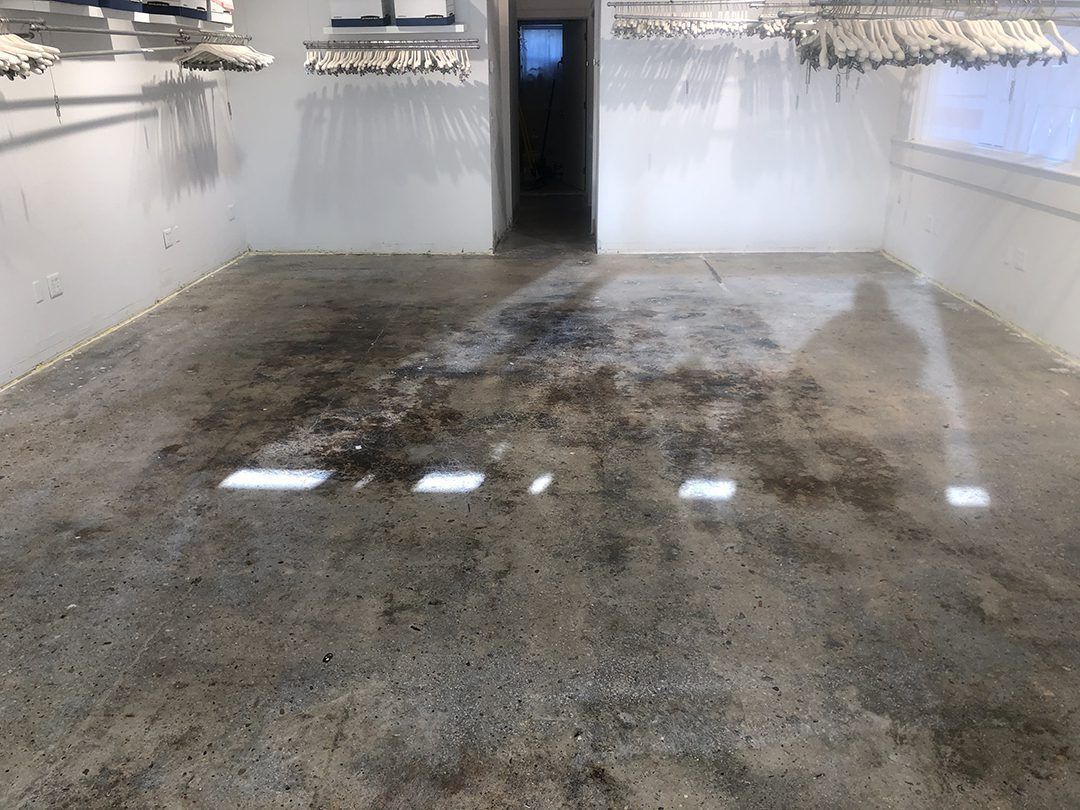
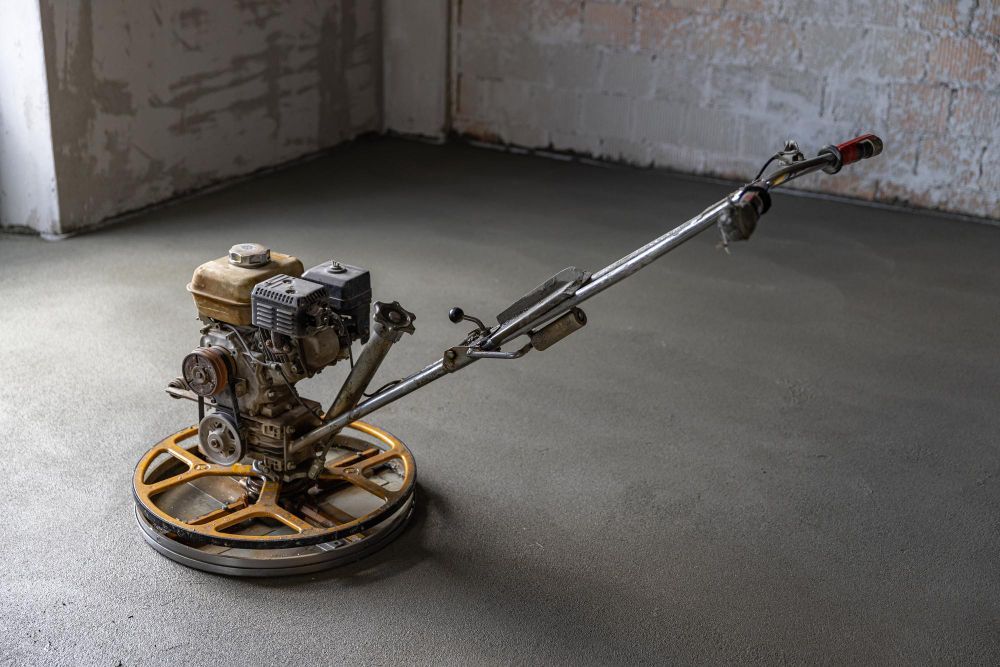
Before any shine appears, the concrete slab needs a careful evaluation and the right preparation. Surface strength, cracks, old coatings, moisture concerns, and uneven areas can all affect how well the finished floor performs. A strong slab gives the polishing process a better foundation, while weak or damaged concrete may need grinding, patching, underlay, overlay, or microtopping support first. Proper surface preparation helps the densifier and polishing steps work as intended, which supports a harder surface and cleaner reflection. When this stage is rushed, the floor may lose clarity faster, show uneven wear, or require extra service earlier than expected for your specific property type.
Traffic, Usage, and Daily Wear
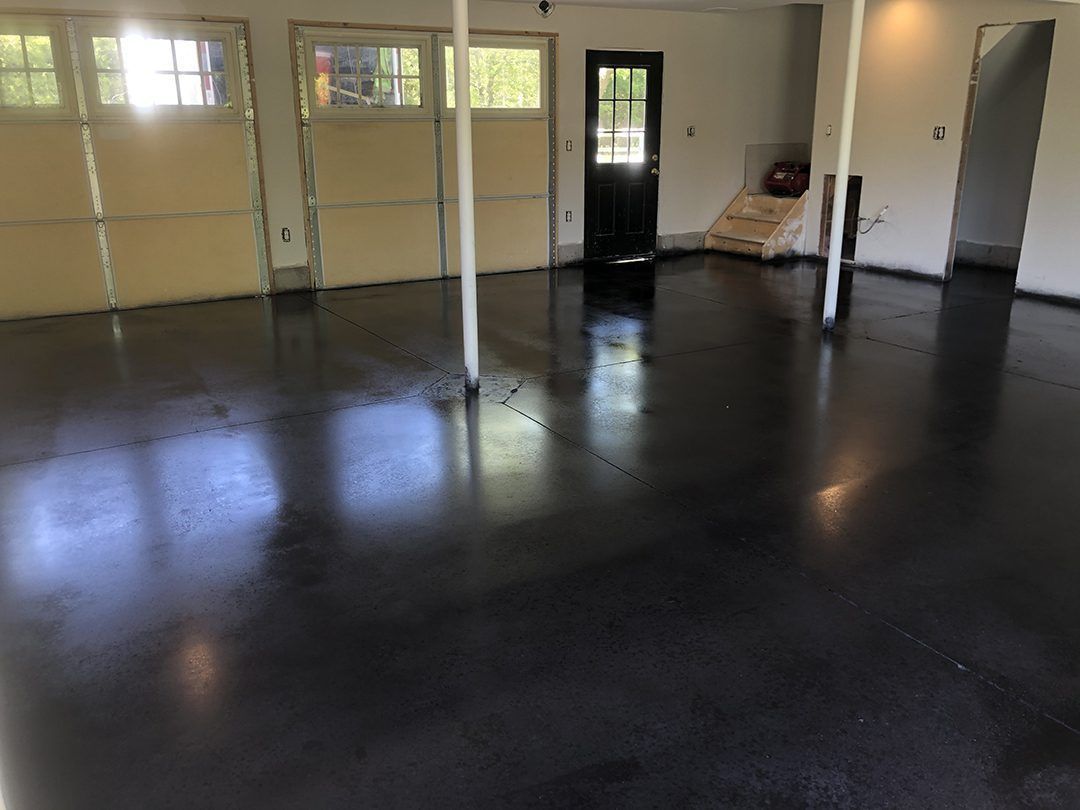
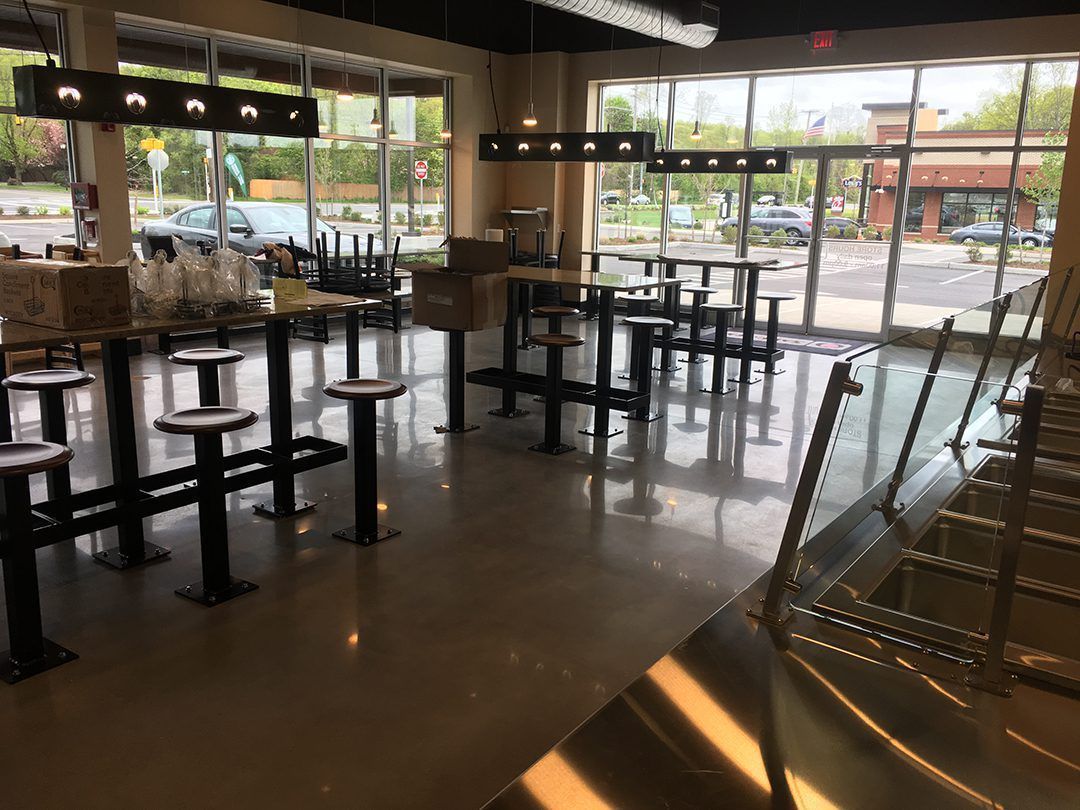
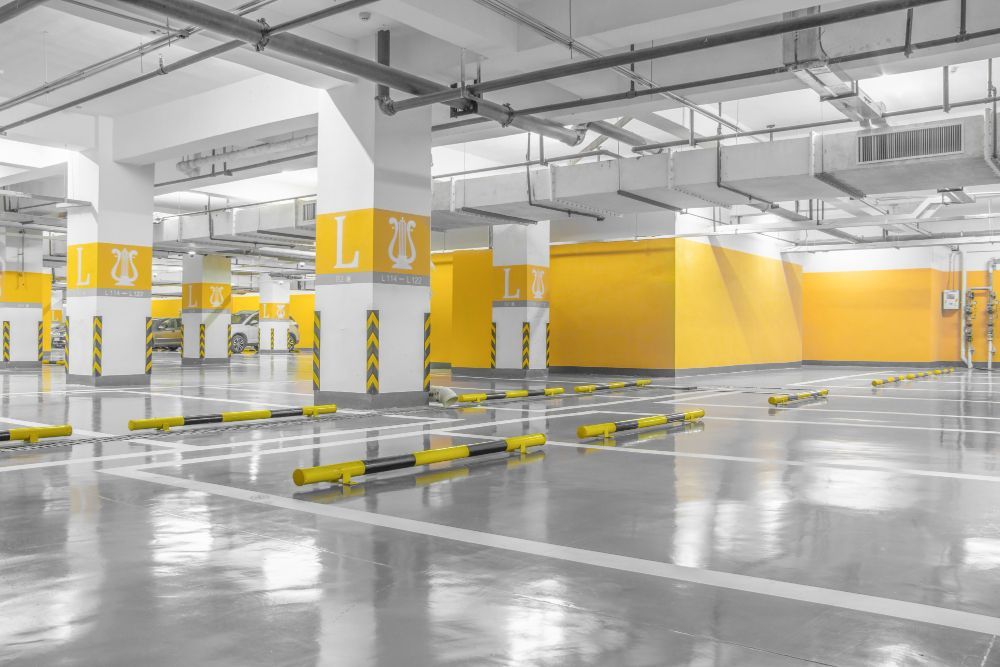
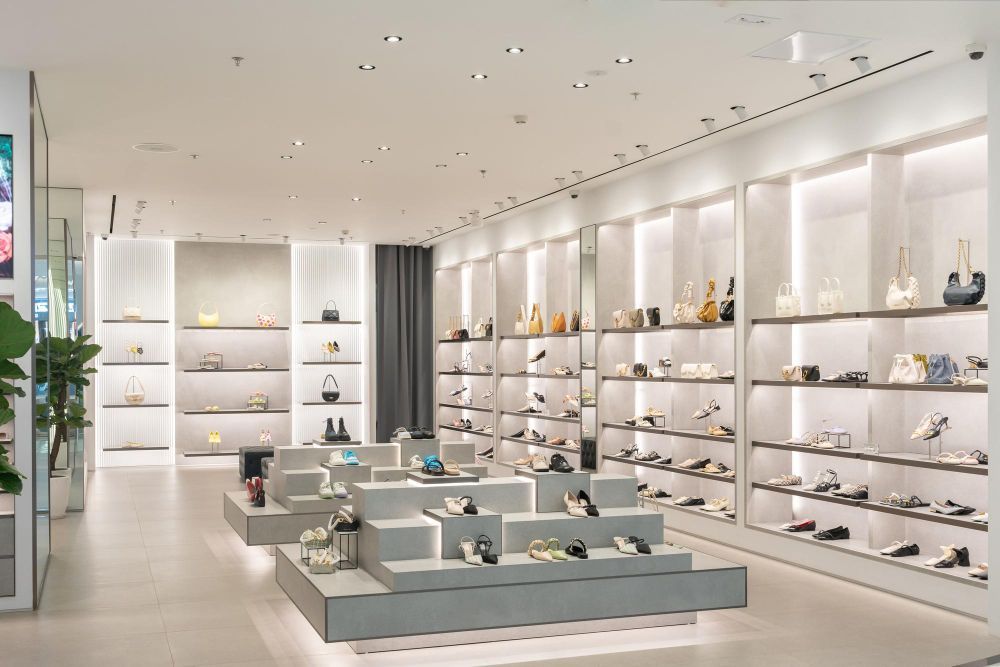
The way you use the space has a direct impact on the life of polished concrete. A residential basement, living room, or private garage usually faces less pressure than a retail store, restaurant, warehouse, school, showroom, or industrial facility. Foot traffic, rolling carts, forklifts, dropped objects, abrasive dust, and heavy equipment can slowly affect gloss and surface clarity. The floor can still perform well in demanding settings, but the polishing system must match the use of the space. When traffic patterns are understood early, polished concrete can be planned for better durability, safer movement, and a finish that stays attractive during real daily site activity.
Maintenance Habits and Cleaning Products
A polished concrete floor is known for low maintenance, yet it still needs the right care to keep its durability and appearance. Dirt, sand, and small debris can act like fine grit under shoes, wheels, and equipment, which may slowly reduce shine in busy areas. Regular dust removal, damp cleaning, and prompt spill cleanup help protect the surface from unnecessary wear. Cleaning products should be compatible with polished concrete, since harsh acidic or aggressive alkaline formulas can dull the finish and affect surface clarity. In commercial and industrial spaces, a planned maintenance schedule helps keep the floor cleaner, safer, and more consistent over time overall.
Moisture, Spills, and Environmental Exposure
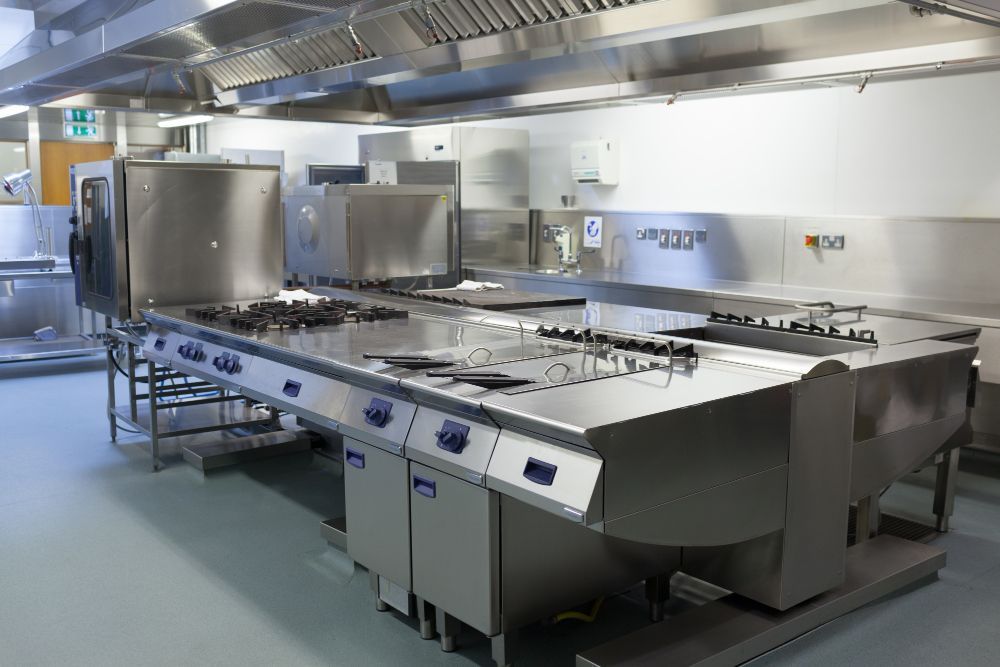
Moisture and exposure can change how polished concrete ages, especially in busy kitchens, labs, garages, showrooms, or spaces with frequent spills, humidity, chemical contact, or outdoor conditions. Water intrusion, oil, food residue, cleaning chemicals, and industrial liquids may affect the appearance if they sit too long on the surface. Interior floors usually offer more predictable performance, while exterior or semi exposed areas face weather, temperature shifts, and added surface stress. The concrete mix, slab condition, and finishing system all influence how the floor reacts to those conditions. Professional evaluation is helpful when the space has moisture concerns or heavy spill risk from normal daily operations.
Keep Your Polished Concrete Performing for Years
Polished concrete can serve your space for decades when the slab, surface preparation, finish, traffic level, cleaning routine, and exposure are handled with care. At Premier Polishing Corp, we help you choose the right system for the way your floor will be used, whether you need polished concrete for a showroom, grind and seal for a practical commercial space, or surface preparation before a larger flooring upgrade. We also provide epoxy flooring, underlays, overlays, microtopping, and custom concrete surfaces for residential, commercial, and industrial projects. With in house civil engineers, trained crews, in house logistics, advanced tooling, quality materials, and over 75 years of combined experience, we hold every project to high standards from planning to final finish.
Contact us today to discuss your space and your flooring goals. We are ready to help you choose a concrete flooring system built for durability, function, and visual appeal.
FAQs
How long can polished concrete last in a home or business?
Polished concrete can often last 20 years or more when the slab is sound, the surface is prepared correctly, and the floor receives proper care. Homes may see longer performance with lighter use, while busy commercial or industrial spaces may need more frequent professional maintenance to preserve shine, clarity, and surface strength.
What affects the durability of polished concrete the most?
Several factors shape durability, including slab condition, surface preparation, polishing quality, densifier use, traffic level, cleaning habits, moisture, and chemical exposure. A floor in a high traffic warehouse will age differently from one in a residential living area. Matching the polishing system to the space helps the floor perform better over time.
Does polished concrete need regular maintenance?
Yes, polished concrete needs consistent care to protect its finish and durability. Routine dust removal, proper cleaning products, spill cleanup, and professional evaluation when the surface becomes dull can help preserve the floor. Harsh cleaners, abrasive debris, and ignored moisture can reduce shine and shorten the time between service needs.