
Recent Blogs
7 Epoxy Flooring Solutions For Commercial Kitchens That Last
Quick Summary
Commercial kitchen floors need to handle heat, moisture, grease, chemicals, heavy traffic, and strict cleaning demands every day. The blog post explains seven epoxy flooring options that support lasting performance, including cementitious urethane systems, slip resistant finishes, seamless surfaces, chemical resistant coatings, moisture resistant systems, decorative flake epoxy, and properly prepared flooring installations. It also highlights how expert surface preparation, smart product selection, and professional installation help create a safer, cleaner, and stronger commercial kitchen floor.
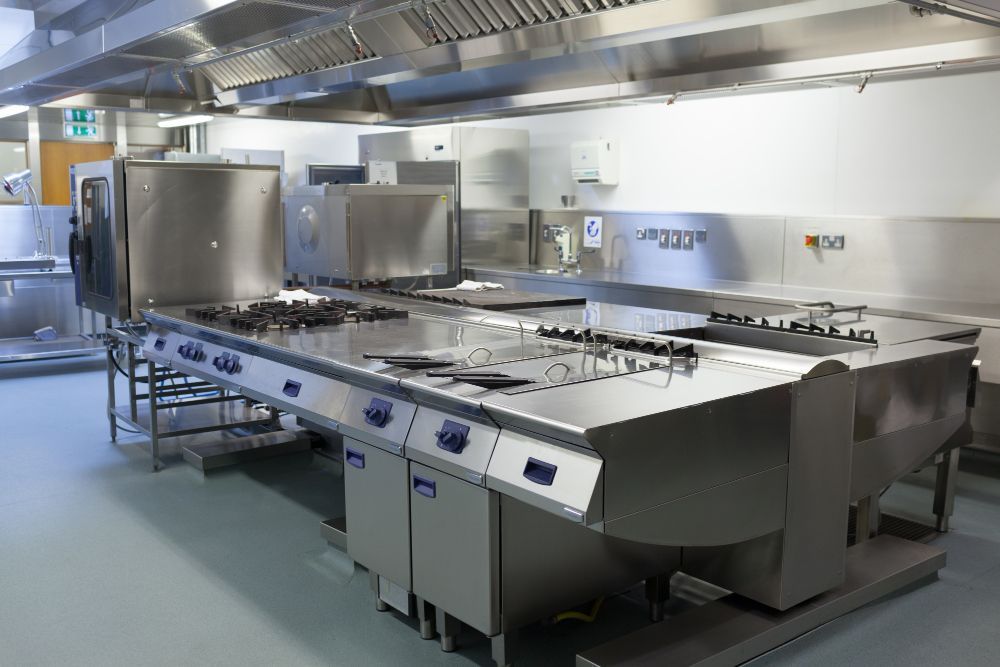
Commercial kitchens put flooring through constant pressure from heat, grease, water, food spills, cleaning products, rolling carts, and nonstop foot traffic. A weak surface can create cleaning challenges, safety concerns, and early wear that disrupts daily operations. That is why choosing epoxy flooring solutions for commercial kitchen spaces takes more than picking a color or finish. You need a system that supports sanitation, traction, durability, and smooth workflow. The right floor can help your kitchen stay cleaner, safer, and more efficient through demanding service hours.
Let’s look at seven lasting options that can support a busy foodservice environment every day.
Cementitious Urethane Epoxy Flooring
High demand kitchens need flooring that can handle heat, water, grease, and frequent cleaning without breaking down too soon. Cementitious urethane epoxy is often selected for foodservice spaces that face thermal shock from hot equipment, washdowns, and temperature changes. This system creates a tough surface that supports busy prep lines, dish areas, and cooking zones. It also works well where durability and sanitation need to stay aligned during daily use, especially in kitchens with constant movement and heavy equipment loads.
Slip Resistant Epoxy Flooring
Kitchen floors often become slick when oil, water, sauces, and cleaning solutions reach the surface during service. Slip resistant epoxy adds controlled texture that helps staff move with better footing while still allowing the floor to be cleaned properly. The texture level should match your kitchen layout, traffic patterns, drainage, and cleaning process. A professional installer can balance grip and cleanability, so the finished surface supports safety without creating rough areas that trap residue daily.
Seamless Epoxy Flooring
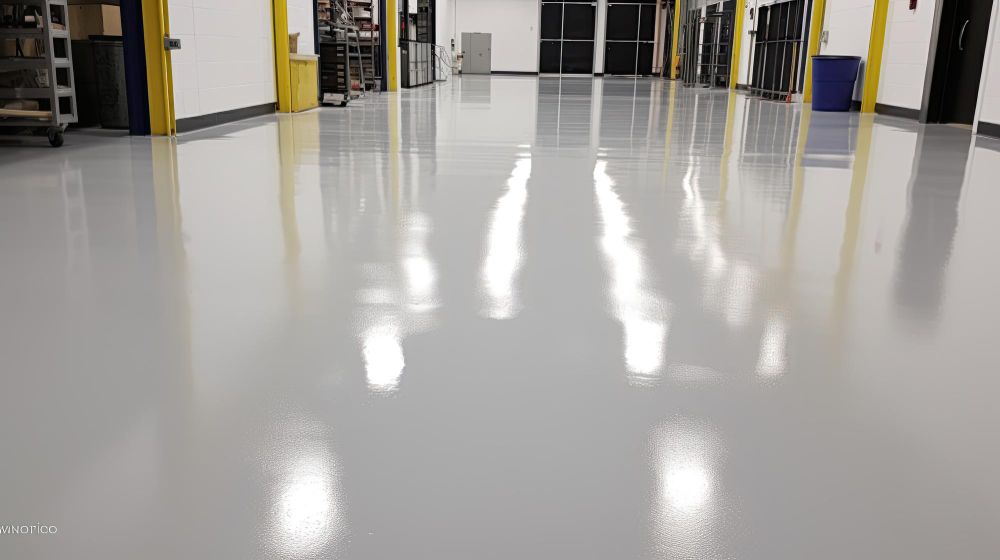
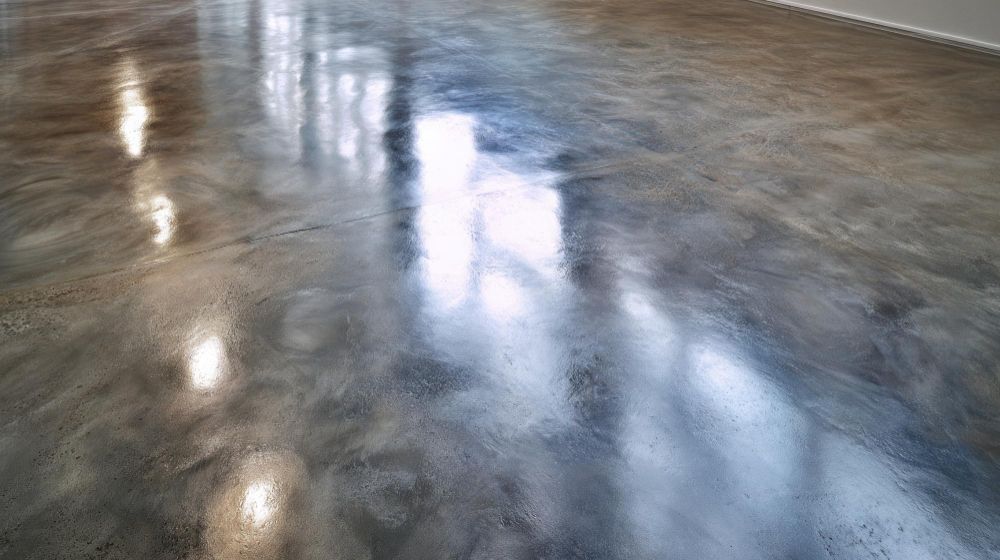
Floors with grout lines, cracks, and joints can make commercial kitchen cleaning harder than it should be. Seamless epoxy creates a continuous surface that limits places where food particles, grease, and moisture can collect. This type of system supports faster cleaning and a more polished appearance across prep, cooking, and service areas. It also helps reduce weak points in the flooring surface, which is valuable when your kitchen handles heavy use every day during rushes.
Chemical Resistant Epoxy Flooring
Foodservice floors come into contact with degreasers, sanitizers, oils, fats, food acids, and chemicals that can wear down weaker surfaces. Chemical resistant epoxy helps protect the floor from staining, softening, peeling, and early surface damage. This solution is useful in prep areas, dish areas, storage zones, and cooking lines where spills happen daily. A suitable system gives your kitchen a stronger surface for repeated cleaning and heavy daily kitchen use.
Moisture Resistant Epoxy Flooring
Water exposure is common near sinks, dishwashing stations, walk in coolers, prep tables, and cleaning zones. Moisture resistant epoxy helps limit water absorption, surface deterioration, and bond problems that can shorten the floor’s service life. This solution is especially valuable when washdowns or wet traffic are part of your operation. With the right preparation and system selection, the floor can handle moisture while keeping a cleaner, more reliable surface underfoot.
Decorative Flake Epoxy Flooring
Appearance still counts in commercial kitchens, especially in open kitchens, customer facing spaces, catering facilities, and premium foodservice environments. Decorative flake epoxy adds visual depth while helping hide small marks that can appear in active spaces. The flakes can also contribute texture when paired with the right finish, which supports traction and practical use. This option works well when you want a clean, professional floor that performs under pressure and still looks refined over time.
Properly Prepared Epoxy Flooring Systems
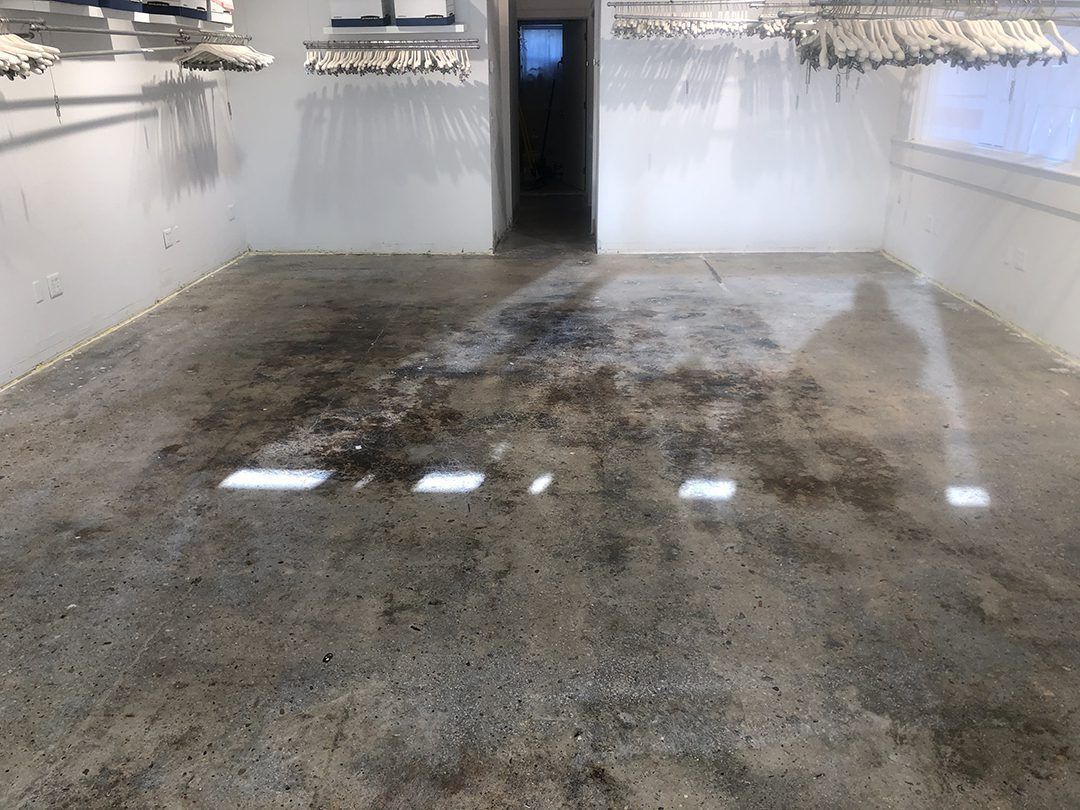
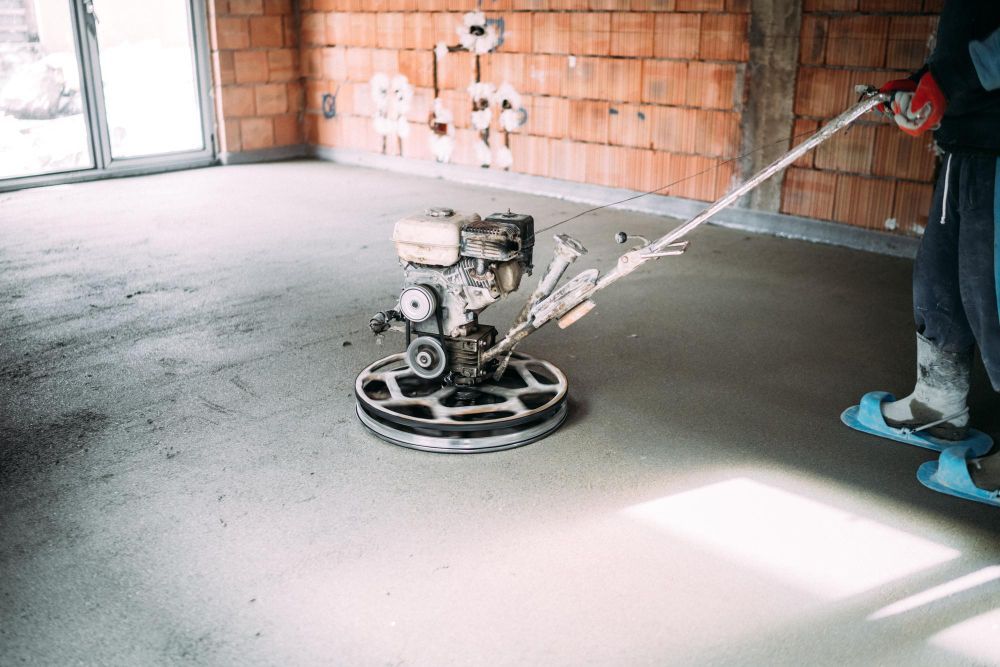
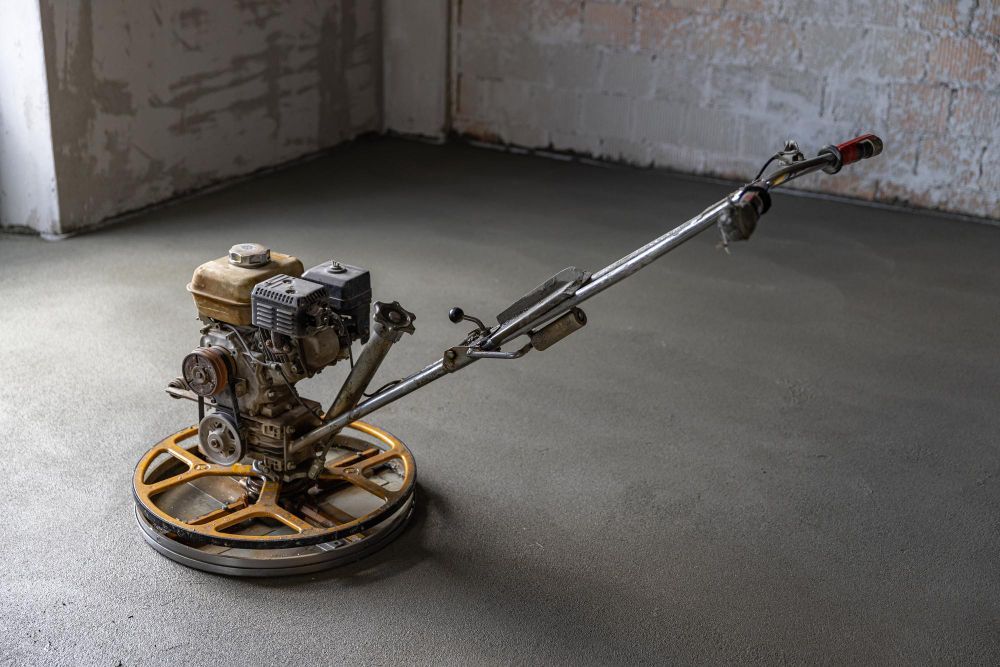
\A strong epoxy floor starts below the finish layer, where the concrete must be evaluated and prepared correctly. Grinding, cleaning, leveling, underlays, overlays, and moisture checks all affect how well the system bonds to the slab. Poor preparation can lead to bubbling, peeling, uneven texture, and early failure. Professional surface preparation gives the coating a better foundation, which helps the finished kitchen floor perform through heavy equipment, foot traffic, and repeated cleaning over many years.
Build A Stronger Commercial Kitchen Floor with Premier Polishing Corp
Your commercial kitchen floor has to support safety, sanitation, moisture control, heavy traffic, heat exposure, and daily cleaning without losing performance too quickly. The right epoxy system can give your space a stronger surface, but the result depends on proper product selection, surface preparation, and skilled installation. At Premier Polishing Corp, we help you choose flooring that fits your kitchen’s real demands, from epoxy flooring and cementitious urethane systems to grind and seal, underlays, overlays, microtopping, and concrete surface preparation. Our in house civil engineers, trained crews, in house logistics, quality materials, advanced tooling, and combined 75 years of experience help us deliver high standards for every project.
Contact us today to discuss your commercial kitchen flooring needs. We are ready to help you plan a durable floor that supports your daily operation.
FAQs
What type of epoxy flooring is best for a commercial kitchen?
The best option depends on your kitchen’s traffic, heat exposure, moisture levels, drainage, cleaning products, and slab condition. Cementitious urethane epoxy is often a strong choice for demanding foodservice areas, while slip resistant and seamless systems can support safer movement and easier cleaning. A professional assessment helps match the system to your daily operation.
How long does epoxy flooring last in a commercial kitchen?
A properly installed epoxy floor can last for years when the right system is selected and the concrete is prepared correctly. Longevity depends on traffic, heat, moisture, cleaning methods, chemicals, and maintenance habits. Commercial kitchens with heavy use may need stronger systems, such as cementitious urethane epoxy, to handle daily pressure.
Can epoxy flooring help make commercial kitchen cleaning easier?
Yes. Seamless epoxy flooring can make cleaning easier by reducing grout lines, open joints, and surface gaps where grease, water, and food residue may collect. A smooth, non porous surface can support faster cleaning routines and a cleaner kitchen environment, especially when paired with proper texture, drainage, and professional installation.