
Recent Blogs

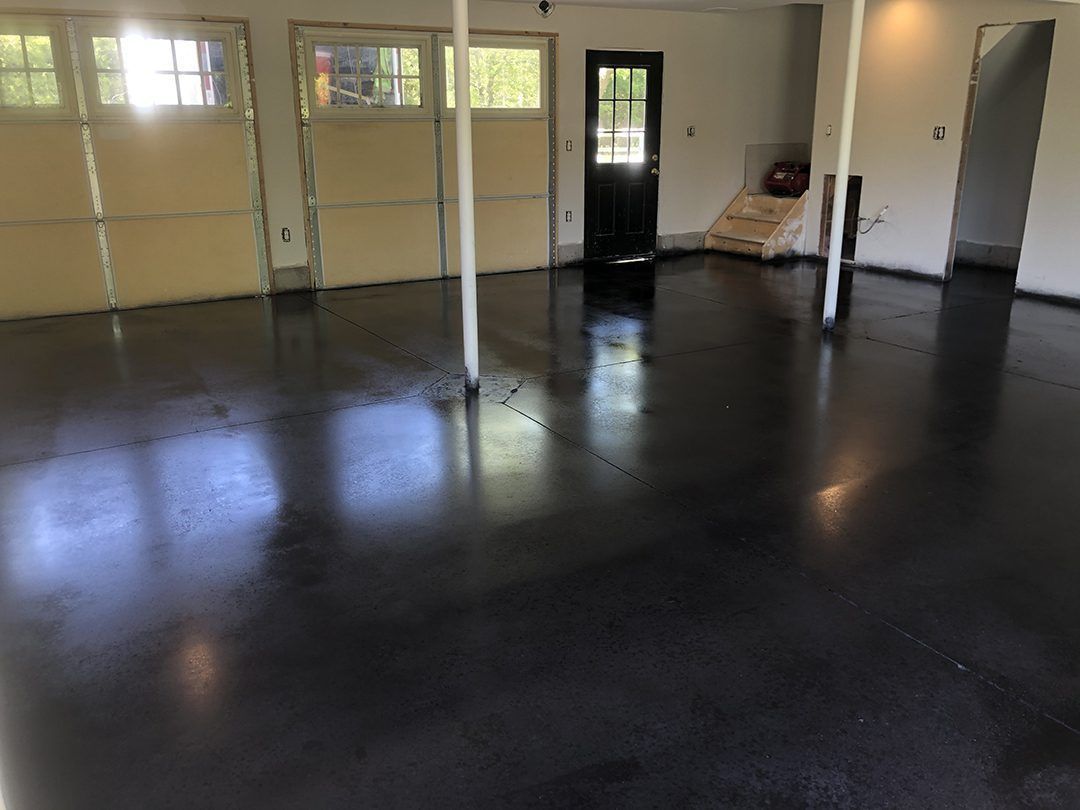
Grind And Seal Concrete Floor Cost: The Difference Compared To Polished Concrete Floors
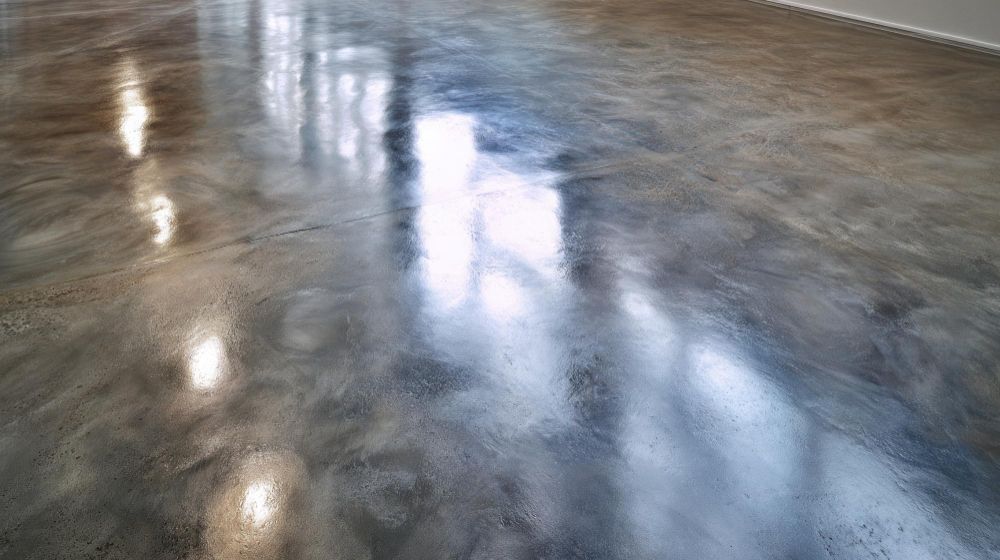
Quick Summary
This blog explains how grind and seal concrete floors and polished concrete floors differ in cost, installation, appearance, maintenance, and overall value. Grind and seal often starts around $2.50 to $5.25 per square foot, while polished concrete can start around $5.00 to $10.50 per square foot depending on finish level and slab condition. The right choice depends on your budget, traffic level, design goals, and how much care you expect after installation.
Concrete floors can look clean, durable, and refined, yet the right finish depends on more than surface appearance. If you are comparing grind and seal concrete floor cost with polished concrete pricing, you are really comparing two different systems, two different installation paths, and two different ownership experiences. A lower starting price may look attractive, while a higher investment may support heavier traffic or a more refined finish. Your slab condition, design goals, daily use, and maintenance expectations all shape the final decision.
Let’s break down what you are actually paying for when you compare these two concrete flooring options.
What Your Budget Is Really Paying For
Pricing starts to make more sense when you look at what each system includes. Basic grind and seal can often range from $2.50 to $4.25 per square foot, while premium satin grind and seal can range from $3.75 to $5.25 per square foot. Standard polished concrete may range from $5.00 to $7.00 per square foot, with high gloss finishes and exposed aggregate options moving higher. The gap comes from the number of steps, tooling needs, and labor hours. A sealed floor relies on a protective coating, while polished concrete requires deeper slab refinement before the finished surface is complete for daily use, which can add time to project schedule planning.
How Much Work the Existing Slab Needs
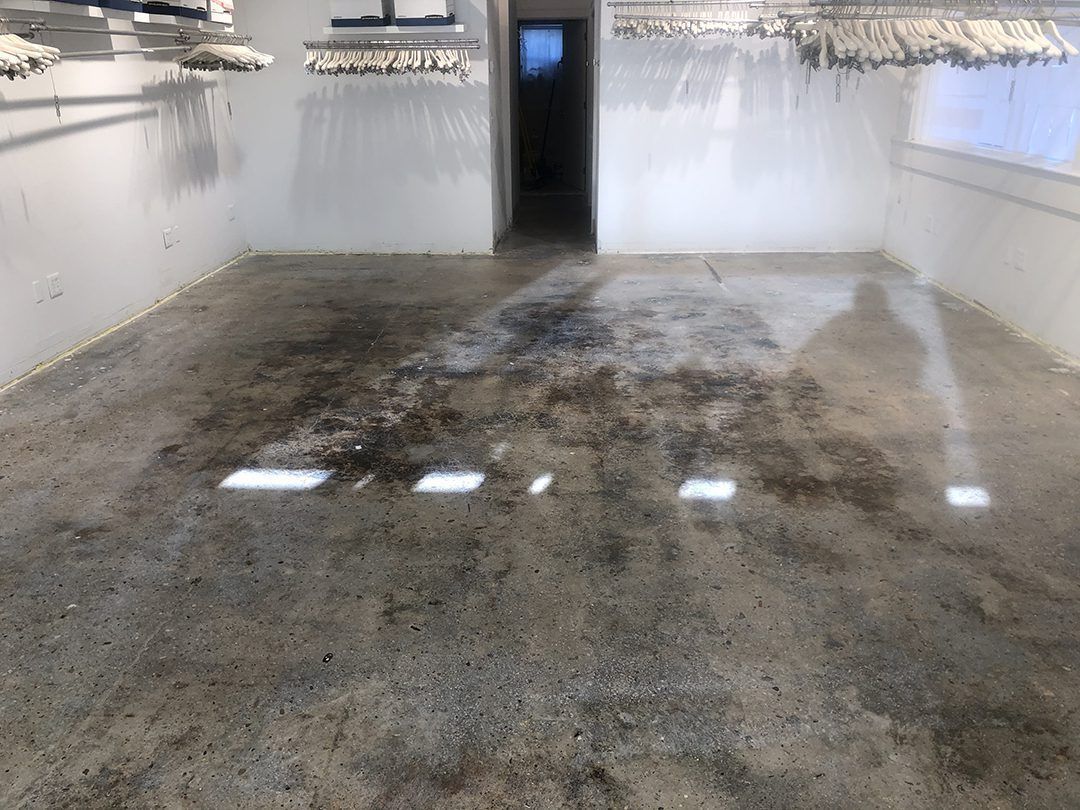
Before any finish is selected, the existing concrete has to be reviewed closely. Glue, tile marks, paint, stains, pits, cracks, uneven areas, and old coatings can raise preparation needs for both systems. Grind and seal may allow the sealer to create a more consistent visual layer after proper surface preparation. Polished concrete asks more from the slab itself, with the concrete becoming the visible finished surface. More repair, grinding, and refinement can push the final price higher.
A professional inspection gives you a clearer view of the work required before the project moves into scheduling and installation planning. This review also helps align finish expectations with slab conditions early in the planning process.
The Finish Level You Want to Achieve
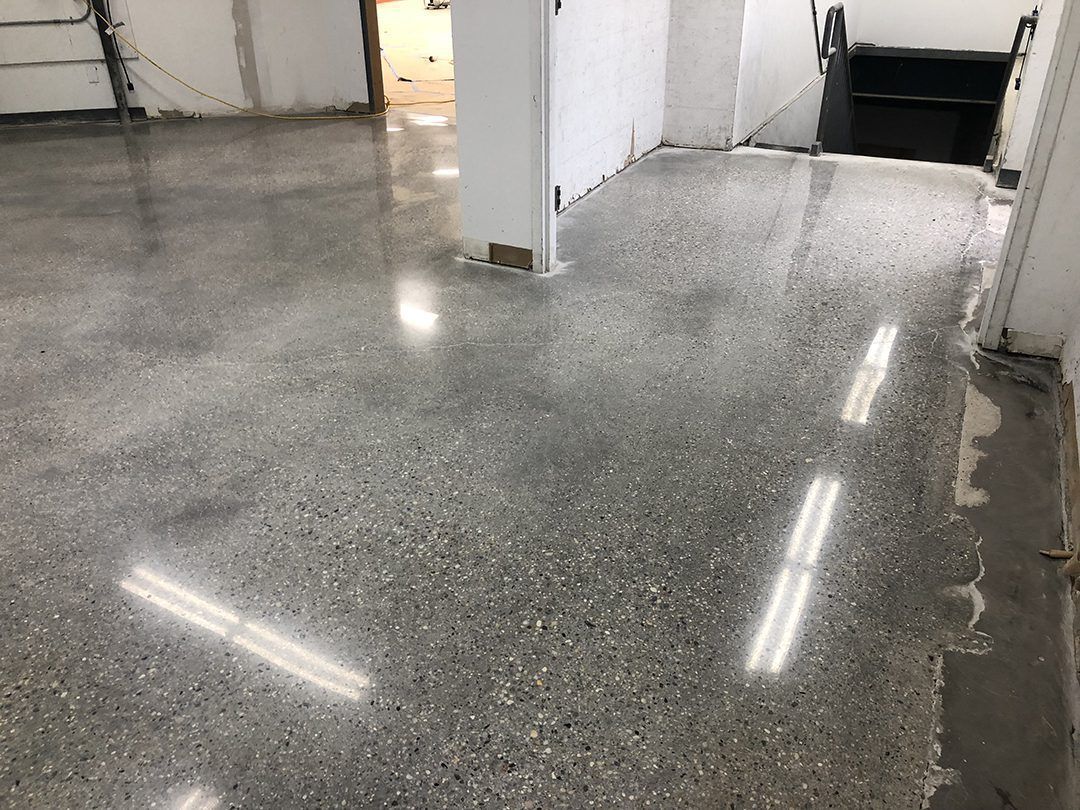
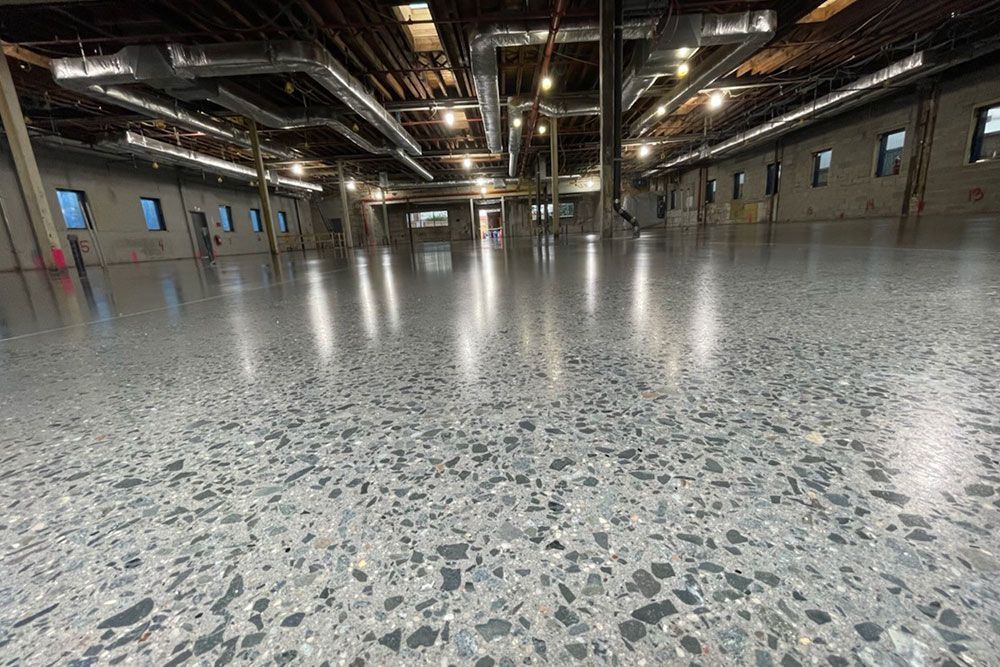
Design expectations can change the budget faster than some property owners expect. A simple sealed finish usually stays closer to the lower price range when the slab is in good shape. Added color, specialty sealers, stronger protection, or a higher sheen can increase grind and seal pricing. With polished concrete, gloss level, aggregate exposure, and clarity of reflection all affect the amount of refinement needed. A floor meant to look clean and practical will price differently from a floor meant to create a high end visual statement for guests, tenants, customers, or staff. That is why visual goals should be discussed before pricing feels final.
What Happens After the Floor Is Finished
After installation, each system carries a different maintenance profile. Grind and seal depends on its topical sealer for protection and appearance, so high traffic can wear that layer over time. Future resealing may become part of the ownership cost, especially in busy commercial or industrial spaces. Polished concrete usually requires a larger starting investment, yet it can perform well with routine cleaning and periodic professional care. The stronger value depends on traffic, cleaning habits, spill exposure, and how long you want the finish to keep its appearance through daily activity and seasonal use. Those details often decide whether upfront savings or lifespan carries more weight.
Where Each Floor Makes the Most Sense
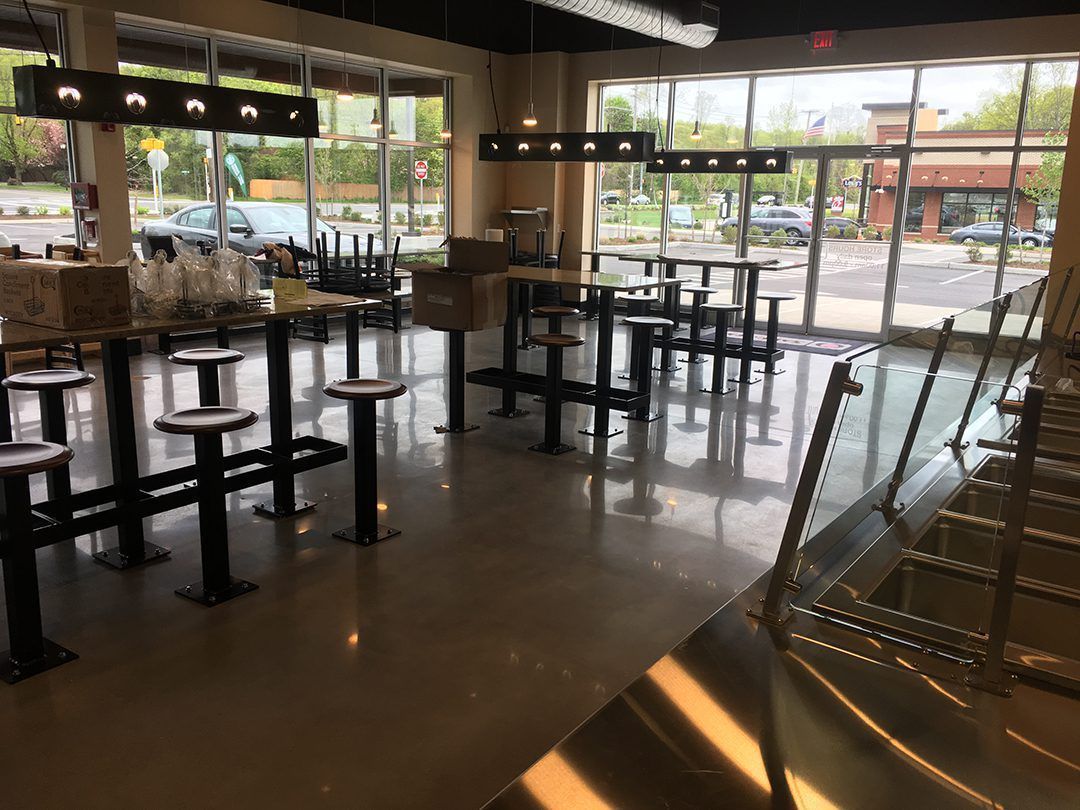
Different spaces place different demands on a concrete floor. Grind and seal can be a practical fit for garages, basements, warehouses, retail areas, restaurants, and decorative residential spaces that need an attractive finish with controlled upfront spending. Polished concrete can suit showrooms, offices, high traffic interiors, commercial facilities, and spaces where a refined surface supports the full design. Your choice should reflect more than the first number on an estimate. Traffic level, slab quality, maintenance expectations, cleaning routines, budget range, and visual goals all shape the smarter investment for your space before the project begins. A clear recommendation should connect the floor system to how the space works each day.
Choosing a Concrete Floor That Fits Your Project
Grind and seal and polished concrete can both create strong, attractive floors, yet the right choice comes from your slab, budget, traffic, and finish goals. Grind and seal can offer a practical starting cost with a clean sealed surface, while polished concrete can support a refined appearance and lasting performance. At Premier Polishing Corp, we help you compare both options through professional floor evaluation, surface preparation, polished concrete, grind and seal, underlays, overlays, and epoxy flooring when another system fits better. Our in house civil engineers, trained crews, logistics, quality tooling, materials, and 75 plus years of combined experience support every recommendation.
Contact us today to review your concrete floor and plan the right system for your space. Our team is ready to help you move forward with confidence.
FAQs
Is grind and seal concrete cheaper than polished concrete?
Grind and seal concrete is usually cheaper upfront than polished concrete since the process has fewer refinement stages. A basic grind and seal finish can often range from $2.50 to $4.25 per square foot, while polished concrete often starts around $5.00 per square foot and can rise with higher gloss, aggregate exposure, and slab preparation needs.
What makes polished concrete cost more?
Polished concrete costs more when the floor needs multiple grinding, honing, densifying, and polishing stages. The finish is created within the concrete surface itself, so higher gloss levels, deeper aggregate exposure, repairs, and surface refinement can add labor time. This makes polished concrete a stronger fit for spaces that need a refined and durable finish.
How do I know which concrete floor finish is right for my space?
The right finish depends on your slab condition, budget, traffic level, design goals, and maintenance expectations. Grind and seal may fit spaces that need a clean finish with controlled upfront spending. Polished concrete may fit spaces where lasting appearance, traffic performance, and lower future maintenance are higher priorities.