
Recent Blogs
Is Epoxy Slippery: Choosing The Right Texture And Finish
Quick Summary
Epoxy flooring can feel slippery when the surface is too smooth or when moisture, dust, oil, or cleaning residue is present. The right texture, finish, and additives can improve traction while still supporting the look and maintenance needs of your space. Flake epoxy, quartz epoxy, and traction additives can all help match the floor to garages, showrooms, kitchens, labs, warehouses, and other areas. Professional planning helps create a floor that balances safety, appearance, cleaning, and daily performance.
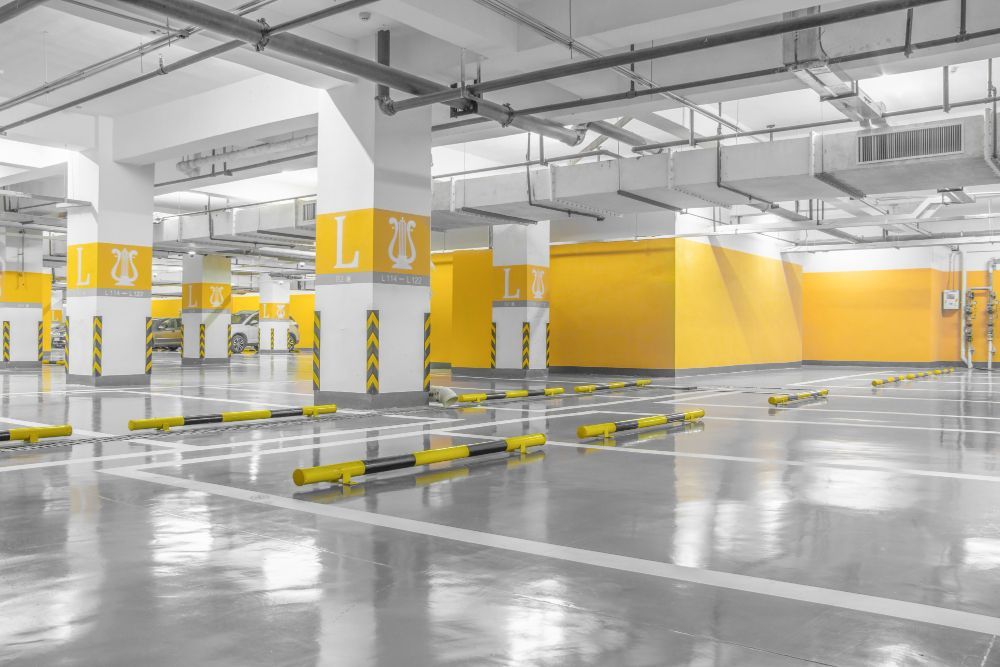
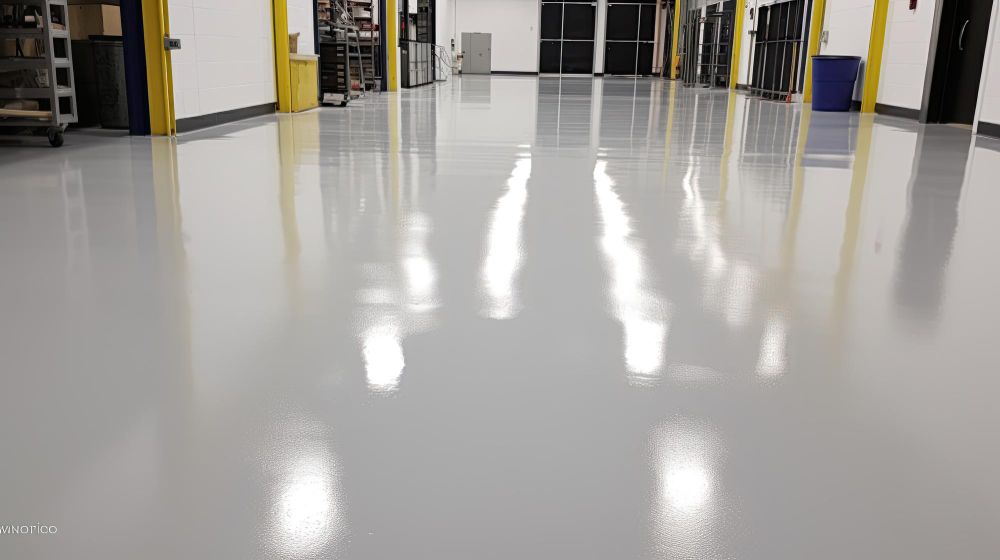
When you picture a clean epoxy floor, you may think of a glossy surface that looks polished, bright, and easy to maintain. That look raises a fair question: is epoxy slippery once people, vehicles, moisture, or daily use enter the space? The honest answer depends on the system, texture, finish, and conditions around the floor. A smooth coating can feel slick when wet or dusty, while the right aggregate, flakes, quartz, or surface profile can improve traction.
Let’s look at how epoxy texture works so you can choose a finish that fits your space with confidence and clarity today.
Why Epoxy Can Feel Slippery in Certain Conditions
A slick feeling often comes from surface conditions rather than epoxy alone. A smooth, high gloss coating has a tight surface profile, so shoes or tires may have less grip when water, oil, grease, dust, or cleaning residue sits on top. Garages, kitchens, warehouses, showrooms, and basements can all face different traction concerns, so the same coating may perform differently from one setting to another. Slope, drainage, footwear, cleaning routines, and traffic patterns also affect how secure the floor feels during daily use. That is why epoxy should be selected around real conditions, rather than visual preference, shine, or color alone, especially when you want a floor that supports movement, maintenance, and the daily demands of people, equipment, vehicles, moisture, and cleaning schedules across every indoor area of your property.
How Texture Helps Improve Epoxy Floor Traction
Added texture gives the floor more grip points, which helps shoes, carts, and tires meet the surface with better control during turns, stops, and foot traffic. This texture can come from decorative flakes, quartz aggregate, aluminum oxide, polymer grit, or other traction additives placed into the coating system. The amount can range from light to aggressive, depending on how much grip the space needs and how often the surface meets moisture or debris. A garage may need moderate texture for wet tires, while a commercial kitchen, lab, or industrial floor may need a more pronounced profile. The right choice should still support practical cleaning, since heavy texture can trap dirt when the system is planned poorly and the topcoat is not matched with maintenance needs for your regular maintenance team.
Choosing The Right Finish for Your Space
The best finish depends on what happens in the space each day and who uses it during work, storage, display, or daily movement.
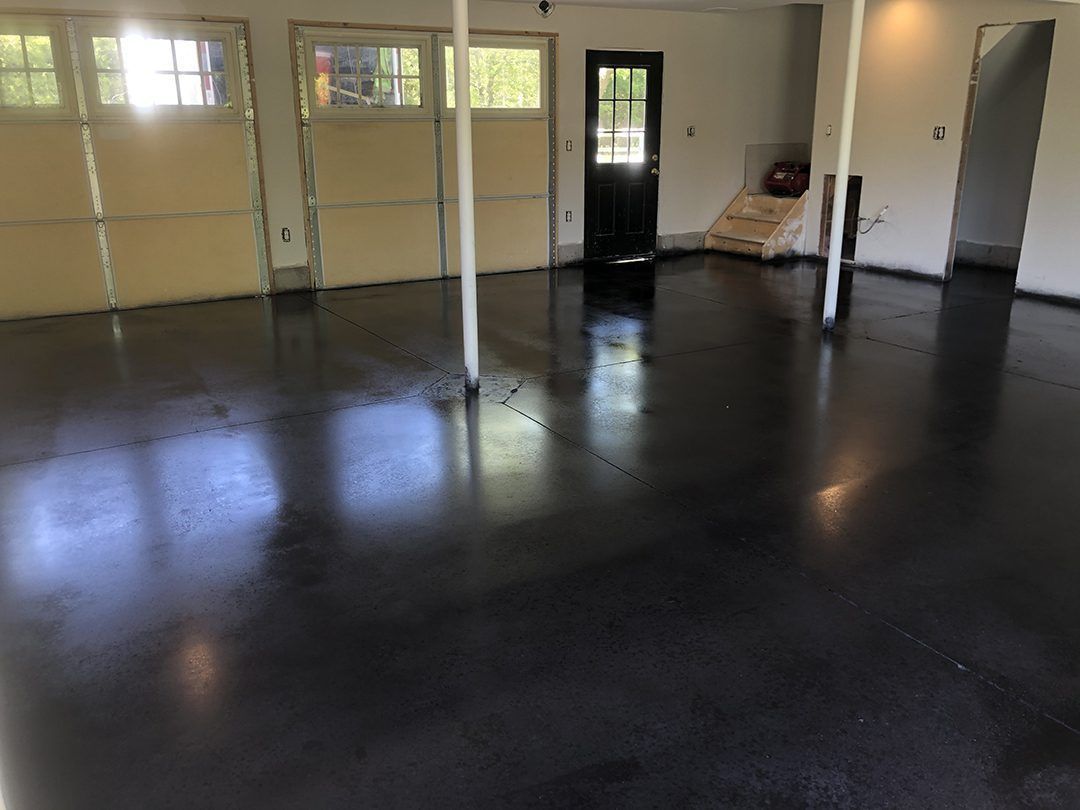
- Garages often benefit from flake epoxy that adds grip, hides wear, and handles wet tires.
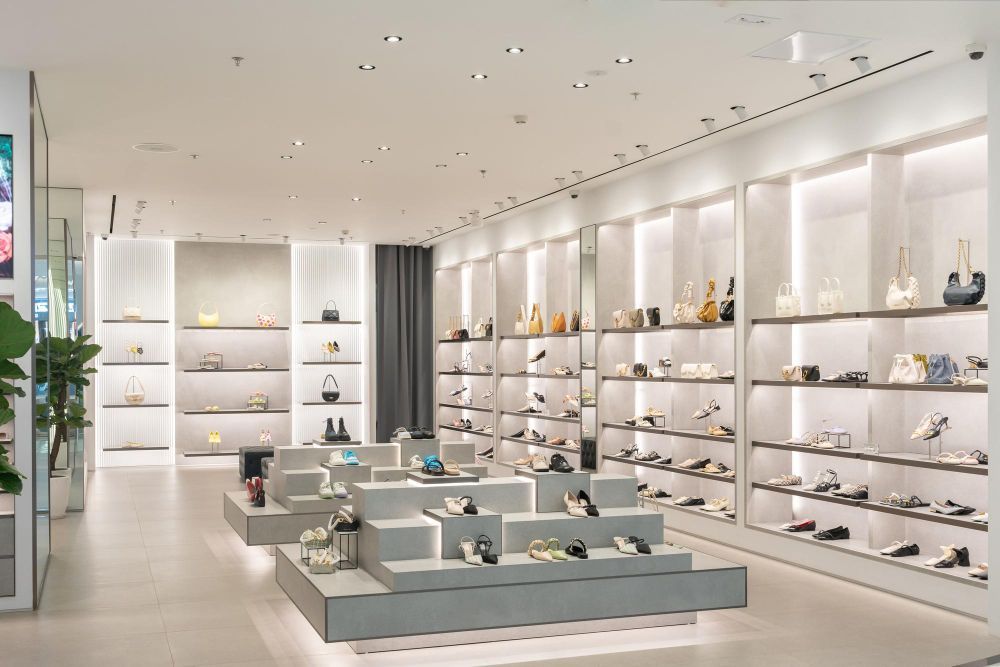
- Showrooms may need a smoother finish with light texture so the floor still looks polished.
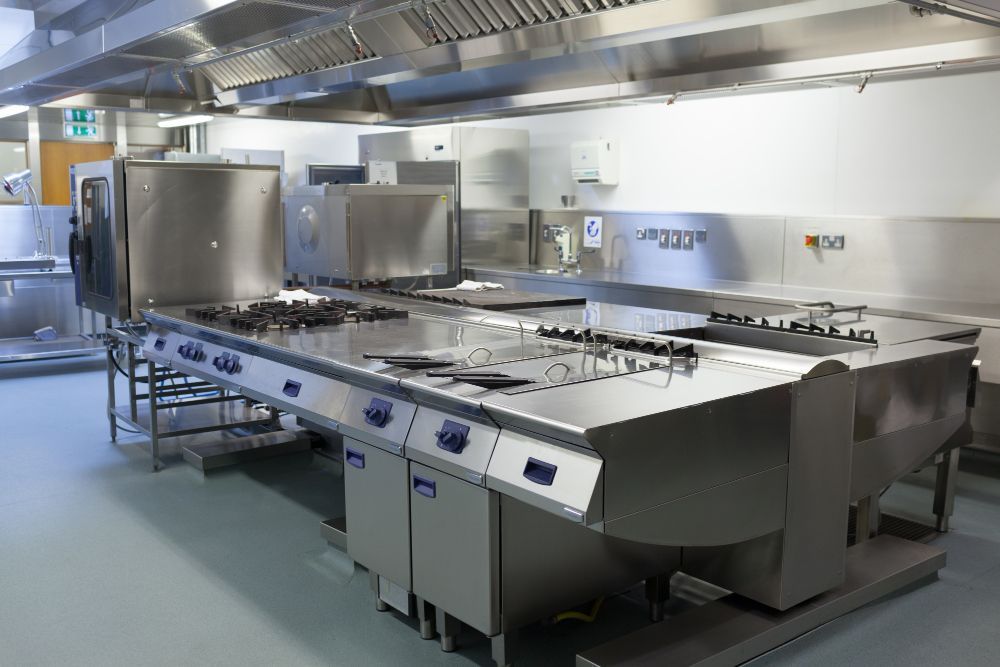
- Kitchens, labs, healthcare areas, and industrial spaces may need quartz or stronger traction additives for moisture, chemicals, and frequent cleaning.
- Basements and retail spaces often need a balance of comfort, appearance, and practical maintenance.
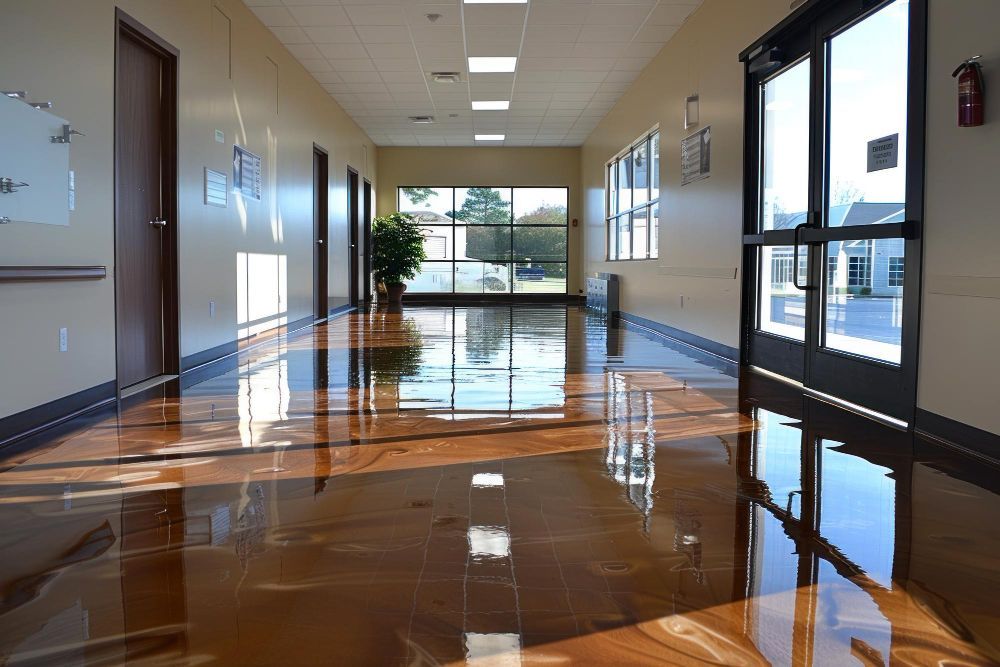
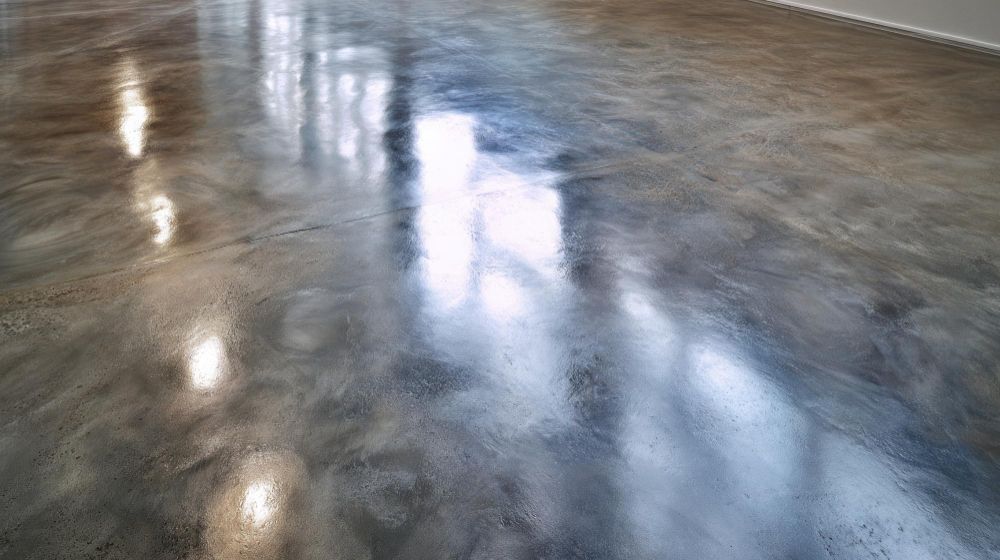
Metallic epoxy can create a striking high gloss look, yet it needs careful planning where traction is a top priority. The final choice should match traffic, cleaning needs, design goals, and performance expectations.
Balancing Safety, Cleaning, and Appearance
A floor can be too smooth for the way it is used, yet it can also be too rough for easy maintenance. More texture can support traction, while a milder finish can make sweeping, mopping, and daily cleaning simpler. The right balance comes from knowing how often the floor gets wet, what substances may reach the surface, and how people move through the area. Appearance also plays a role, since flakes, quartz, solid color coatings, and metallic systems each create a different visual result. The smartest epoxy choice combines safety needs, cleaning expectations, and design goals in one system, giving you a floor that feels practical, looks intentional, and supports the way your property functions each day under regular use, foot traffic, equipment movement, and routine care without added stress.
Let Your Epoxy Floor Work Smarter for Your Space
The right epoxy floor should match how your space is used, from foot traffic and moisture to cleaning routines, vehicles, equipment, and design goals. A smooth finish may fit a showroom, while flake epoxy or quartz epoxy may give garages, kitchens, labs, and work areas the added texture they need. At Premier Polishing Corp, we help you compare finish options, traction additives, surface preparation needs, and coating systems before installation begins. Our in house civil engineers, trained crews, in house logistics, advanced tooling, quality materials, and more than 75 years of combined experience help us deliver epoxy flooring, polished concrete, grind and seal systems, overlays, and microtopping with high standards.
Contact us today to discuss the right texture, finish, and flooring system for your next project with our team.
FAQs
Can epoxy flooring be made less slippery?
Yes. Epoxy flooring can be customized with texture additives, decorative flakes, quartz, or a less glossy finish to improve grip underfoot. The right option depends on moisture, traffic, cleaning routines, and the way the space is used. A professional installer can match the texture level to your safety, appearance, and maintenance needs.
Is high gloss epoxy a bad choice for floors?
A high gloss epoxy finish can work well in showrooms, basements, and low moisture areas when traction needs are modest. In garages, kitchens, warehouses, or busy commercial spaces, a smoother finish may need flakes, quartz, or traction additives. The finish should be selected around real traffic, spills, footwear, and cleaning demands.
What epoxy finish is best for wet areas?
Wet areas often need a textured epoxy system that gives shoes and tires more grip. Flake epoxy and quartz epoxy are common options for garages, kitchens, labs, and work areas that see moisture or cleaning activity. The best finish depends on drainage, cleaning habits, traffic level, and the look you want.