
Recent Blogs
Industrial Polished Concrete Cost Breakdown
Understanding industrial polished concrete cost is essential for facility managers, developers, and business owners planning a durable, long-term flooring solution. While polished concrete is known for its strength and low maintenance, total costs can vary depending on several key factors. From surface condition to finish level and project scope, knowing what drives pricing helps you make a more informed and cost-effective decision.
At Premier Polishing Corp, we help clients evaluate these variables early, ensuring accurate budgeting and reliable project outcomes.
Surface Condition and Preparation Costs
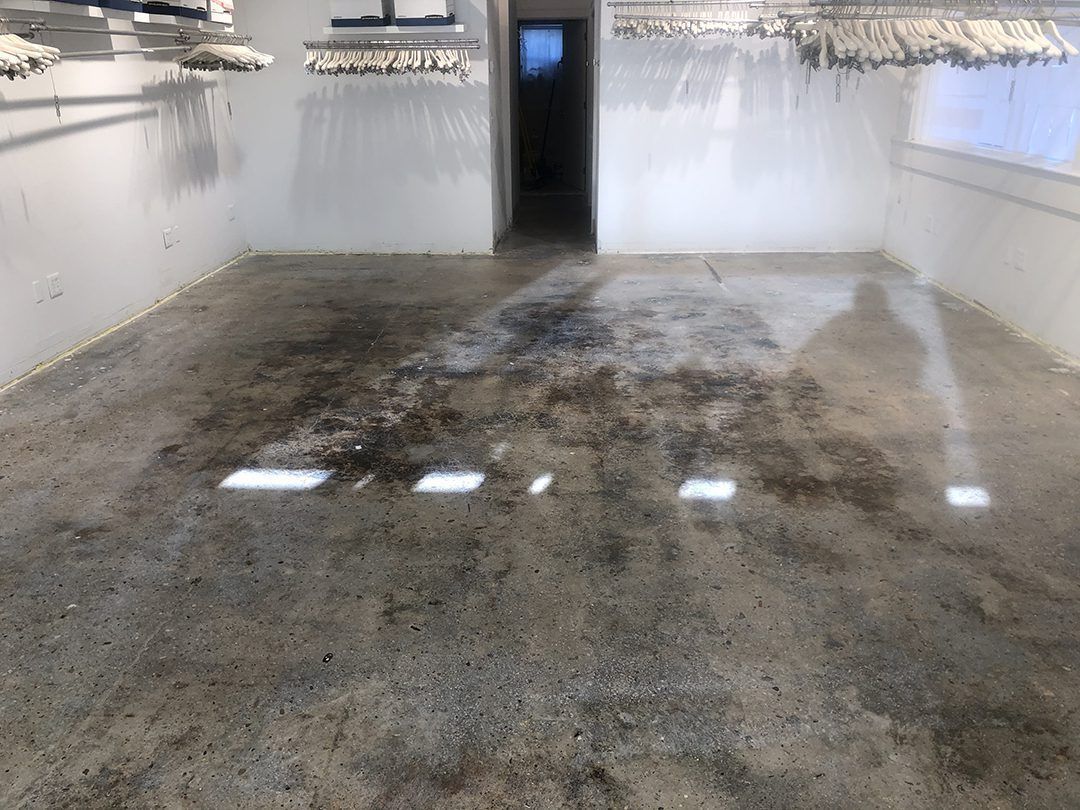
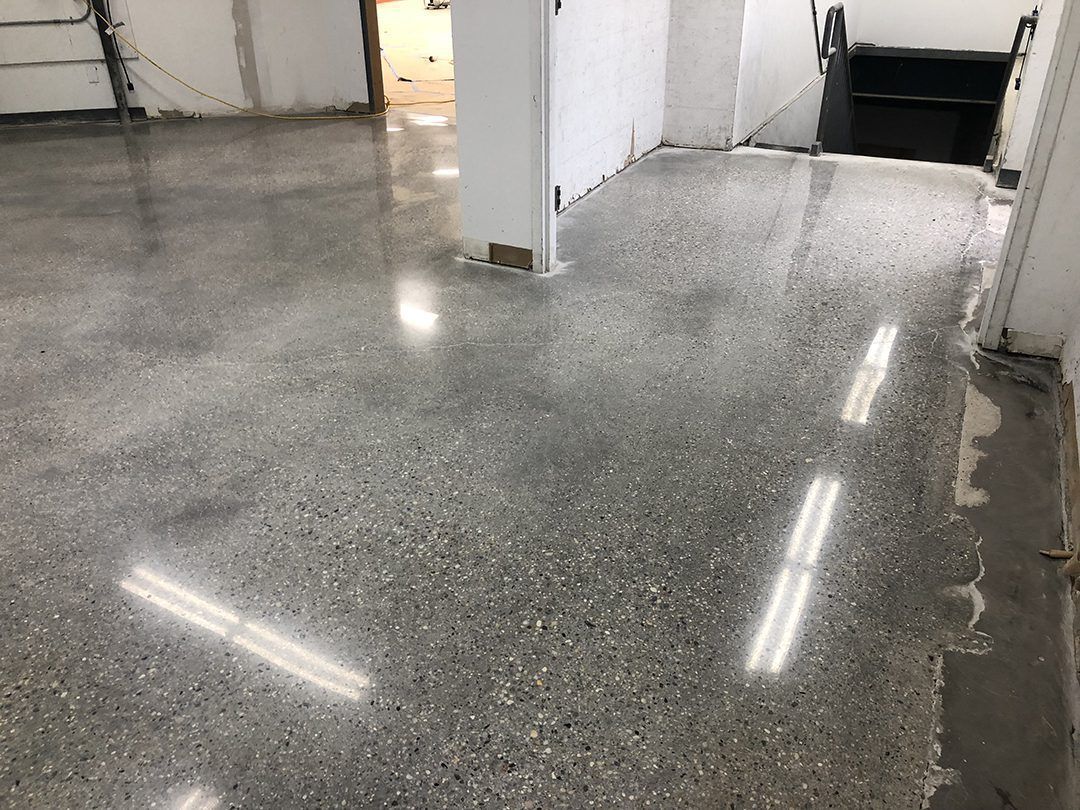
One of the most important factors in industrial polished concrete cost is the condition of the existing concrete slab. If the surface is new, level, and free of damage, preparation is relatively simple—resulting in lower overall costs.
However, older or heavily used concrete often requires more extensive preparation. This may include crack repair, joint filling, coating removal, or heavy grinding to create a smooth, workable surface. While these steps increase labor and material costs, they are critical to achieving a durable, long-lasting finish.
A proper assessment at the beginning of the project helps prevent unexpected issues and ensures the floor performs reliably over time.
Finish Level and Aggregate Exposure
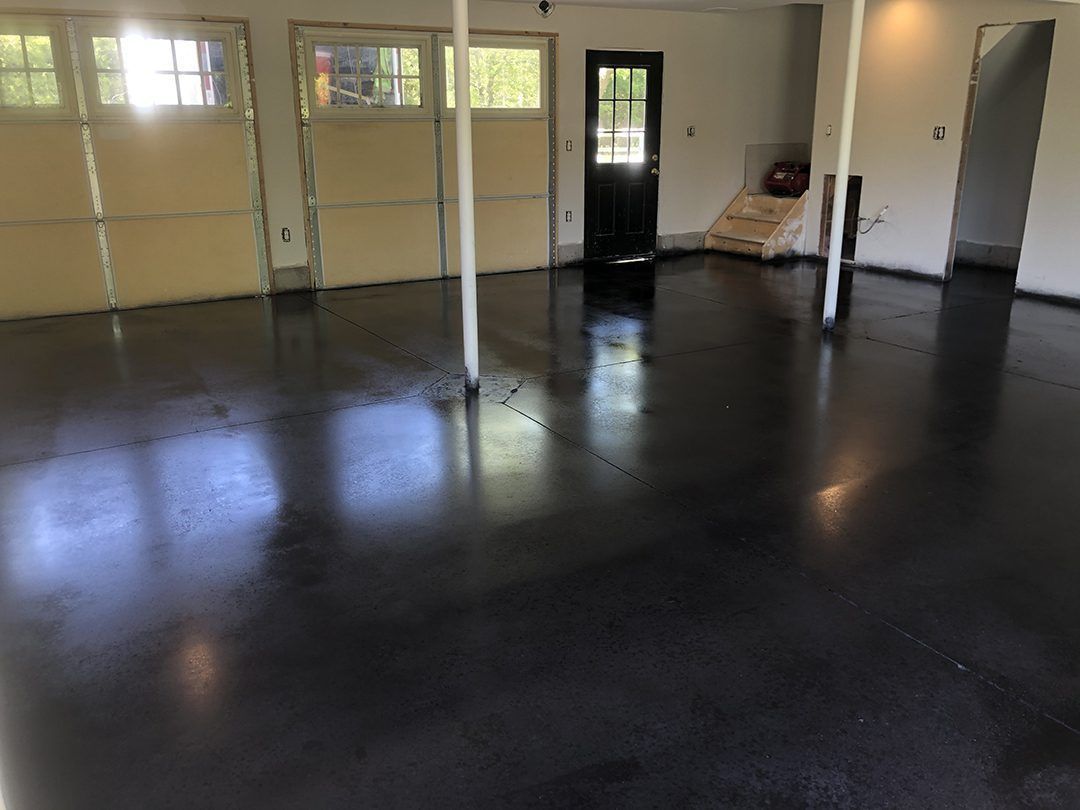
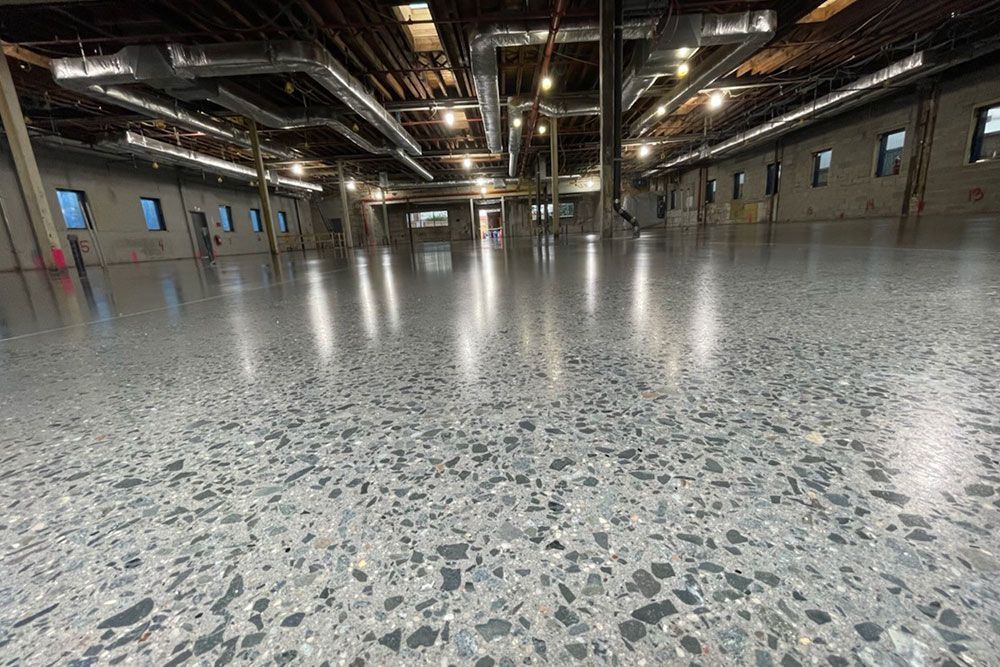
The desired finish plays a significant role in pricing. Industrial polished concrete can range from a basic matte finish to a high-gloss surface with exposed aggregate.
Lower-level finishes require fewer grinding passes, making them more cost-effective and well-suited for warehouses, distribution centers, and utility areas. Higher-end finishes involve additional grinding, densifying, and polishing steps, which increase both labor time and overall cost.
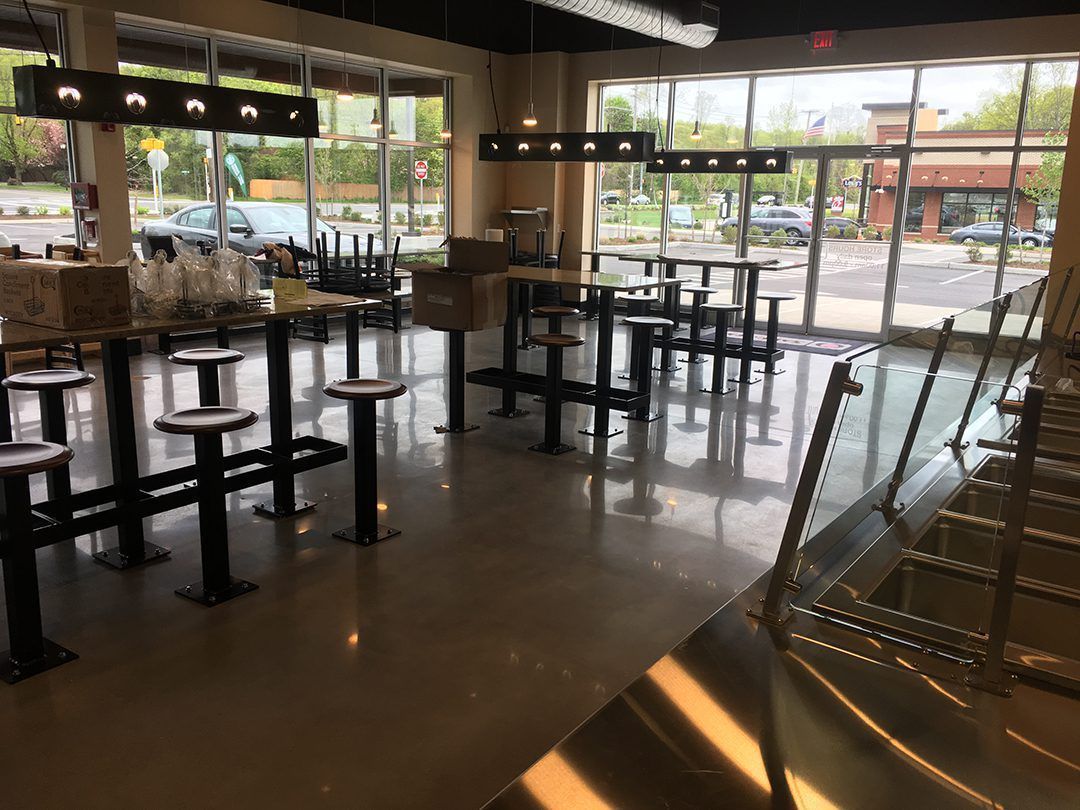
In many industrial environments, a mid-range finish is often preferred. It provides a balance of durability, light reflectivity, and cost efficiency while still delivering a clean, professional appearance.
Project Size and Accessibility
Project size directly affects cost per square foot. Large industrial facilities typically benefit from economies of scale, reducing the cost per unit as crews can work more efficiently across open areas.
Smaller or segmented spaces often have higher per-square-foot costs due to setup time, equipment mobilization, and logistical challenges. Accessibility also plays a key role. Open, unobstructed areas allow for faster production, while tight layouts, active operations, or phased scheduling can increase labor time and project complexity.
Planning the layout and workflow in advance helps improve efficiency and control costs.
Long-Term Maintenance and Lifecycle Value
While upfront pricing is important, long-term value is where polished concrete stands out. Compared to other industrial flooring systems, polished concrete requires minimal maintenance—no waxing, coatings, or frequent replacements.
This makes it especially valuable in industrial environments where downtime, maintenance, and durability directly impact operations. When installed correctly, polished concrete can perform for decades with minimal upkeep, reducing total lifecycle costs.
For many facilities, this long-term performance offsets any higher initial investment, making polished concrete one of the most cost-effective flooring solutions available.
Making the Right Investment
Industrial polished concrete cost is influenced by preparation requirements, finish level, project size, and accessibility. Understanding these factors allows you to plan accurately and avoid unexpected expenses.
With the right contractor and proper installation, polished concrete delivers a combination of durability, low maintenance, and long-term performance that few other flooring systems can match.
Partner with Premier Polishing Corp for expert guidance, precise installation, and flooring solutions designed to perform in demanding industrial environments.