
Recent Blogs



Microcement Vs. Venetian Plaster: Why It Outperforms In Contemporary Interiors
When selecting finishes for modern spaces, the comparison between microcement and Venetian plaster has become increasingly relevant for designers, architects, and property owners. Both materials offer a refined, high-end look, but they differ significantly in performance, durability, and versatility.
As contemporary interiors shift toward seamless design, durability, and low maintenance, microcement has emerged as the more practical and forward-thinking solution.
Seamless Design and Modern Aesthetic
One of the most noticeable differences in the microcement vs. Venetian plaster comparison is the final visual result.
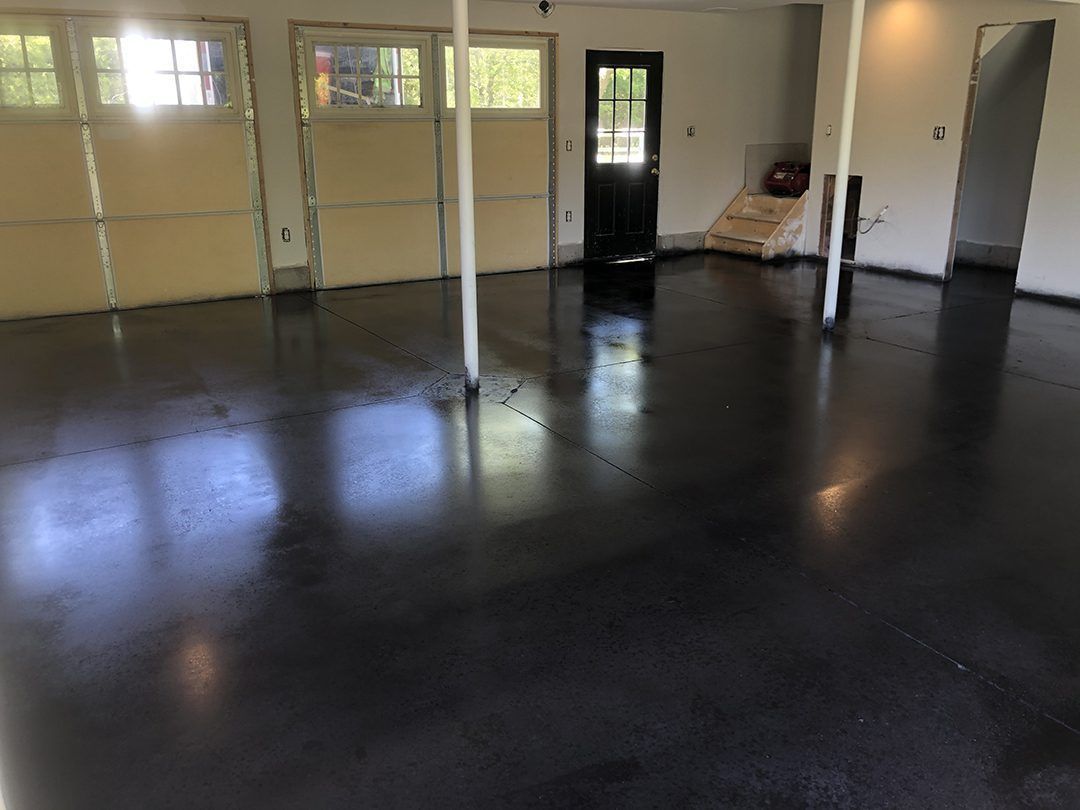
Microcement creates a completely seamless surface, free of grout lines or joints. This makes it ideal for achieving the clean, minimalist aesthetic that defines modern interiors. Its smooth, continuous finish works especially well in open-concept layouts where visual flow is essential.
Venetian plaster, while elegant, produces a more traditional, textured appearance with natural variation. It is often used for decorative wall finishes and works best in classic or ornate environments. However, it doesn’t always align with the sleek, industrial-inspired look many contemporary spaces require.
Microcement’s ability to be applied across floors, walls, and even built-in features allows for a cohesive design that Venetian plaster cannot easily match.
Durability and Performance in Everyday Use
Durability is where microcement clearly stands apart. As a high-performance coating system, it is designed to resist wear, moisture, and daily use, making it suitable for both residential and commercial environments.
Venetian plaster is more delicate by comparison. While it delivers a beautiful finish, it is typically limited to vertical surfaces and is more vulnerable to damage in high-traffic or moisture-prone areas.
For kitchens, bathrooms, retail spaces, and other demanding environments, microcement provides the strength and reliability needed for long-term performance.
Application Flexibility and Renovation Benefits
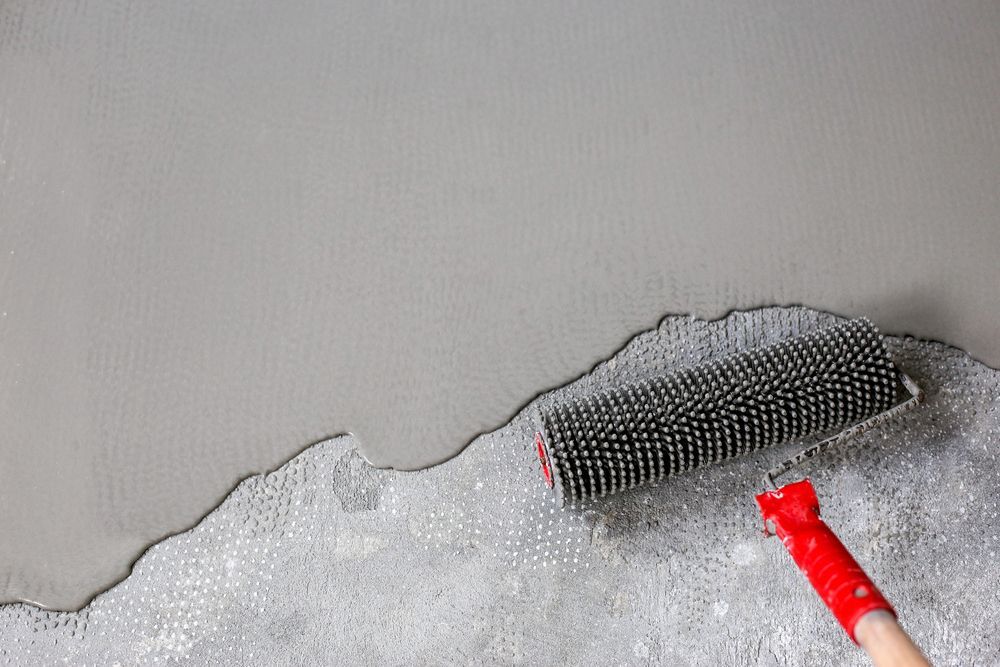
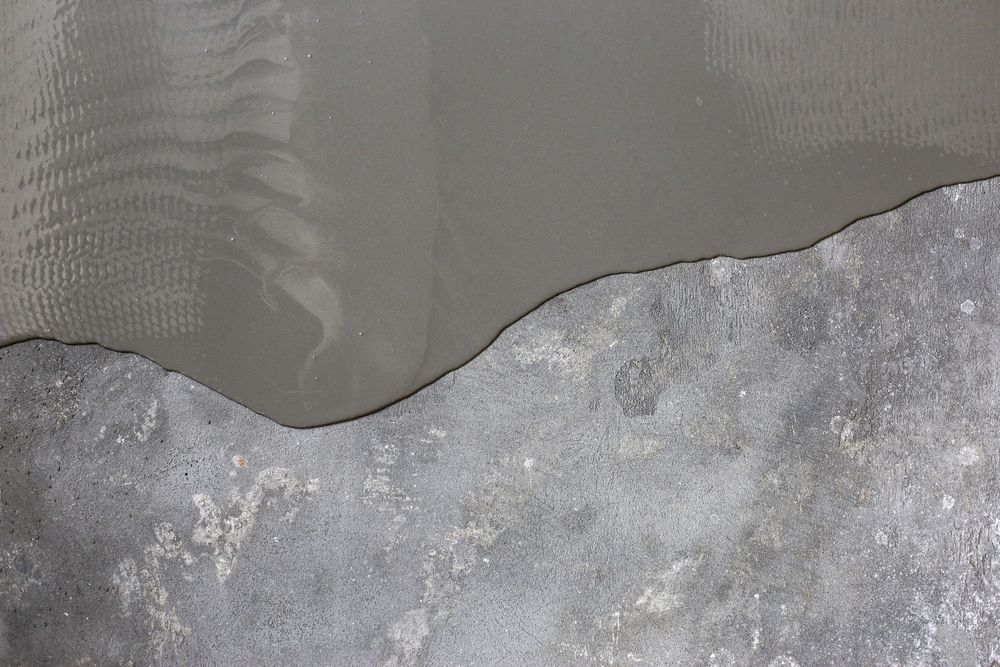
Another major advantage of microcement is its installation flexibility. It can be applied directly over existing materials such as concrete, tile, or drywall, reducing the need for demolition and speeding up project timelines.
Venetian plaster requires a carefully prepared substrate and is generally limited to walls. It does not offer the same adaptability for full-surface applications or large-scale renovations.
For projects focused on efficiency and transformation, microcement offers a more practical and versatile solution.
Maintenance and Long-Term Value
Maintenance is a key factor when comparing these finishes. Microcement is sealed to resist stains, moisture, and wear, making it easy to maintain with routine cleaning. Its durability helps preserve both appearance and performance over time.
Venetian plaster requires more delicate care to maintain its finish. It may need periodic waxing or refinishing, especially in areas exposed to regular use.
From a long-term perspective, microcement often delivers greater value due to its durability, lower maintenance requirements, and extended lifespan.
Choosing the Right Finish for Your Space
Both materials have their place depending on design goals:
- Choose microcement for seamless surfaces, durability, and modern, high-performance applications
- Choose Venetian plaster for decorative wall finishes in traditional or artistic interiors
For spaces that demand both style and functionality, microcement offers a clear advantage.
At Premier Polishing Corp, we specialize in delivering modern surface solutions that combine design flexibility with long-term performance. Our microcement systems are engineered to create seamless, durable finishes tailored to today’s architectural standards.
Upgrade your space with confidence—choose a finish built for both aesthetics and performance.