
Recent Blogs
When planning a flooring project, you may wonder, How long does self-leveler take to dry? Understanding the duration helps you schedule work, avoid surface damage, and achieve reliable results. Dry time varies depending on the product and your site conditions, but knowing the typical ranges will help you move forward with your project with clarity.
If you prepare the space properly and follow manufacturer guidelines, you can expect a predictable drying process that supports the quality of your final floor.
What Is Self-Leveling Concrete?
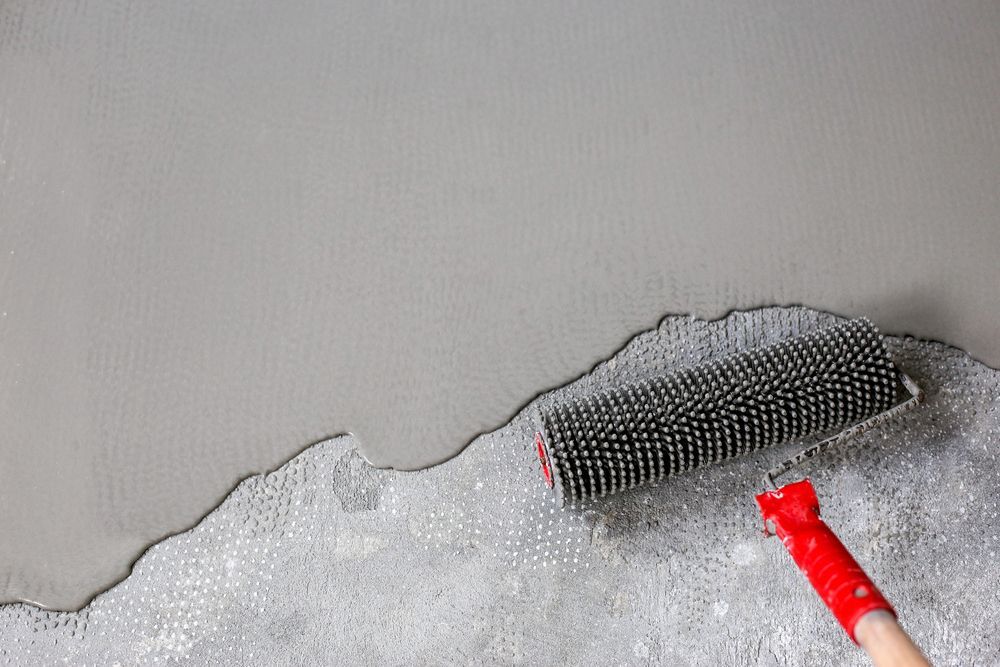
Self-leveling concrete is a cement-based product that flows smoothly across a surface to create a flat and uniform base. It is used before installing finished floors such as polished concrete, epoxy, tile, hardwood, or carpet. The material spreads easily and begins to set as soon as hydration starts.
How Self-Leveling Concrete Works and Sets
You might be happy to find out that self-leveling concrete contains polymers that help the mix move freely and bond to the substrate. Once poured, the material settles into a level plane and begins to dry from the top down.
This drying process depends on temperature, humidity, substrate condition, and the specific formulation of the mix. The product transitions through initial set, walkable hardness, and full cure.
Typical Drying and Walk-On Times
Most self-leveling mixtures are designed for rapid drying. Under typical indoor conditions, around 70 degrees and moderate humidity, many products allow light foot traffic after about two to four hours. Floor coverings such as carpet or tile may be installed after twelve to twenty-four hours. Full cure often occurs within one to two days.
It is important to confirm that the moisture level of the material aligns with the requirements of your chosen floor system. Hardwood, vinyl, and certain epoxies are sensitive to substrate moisture and may require additional testing before installation.
Factors that Affect Dry Time
Several conditions influence how quickly self-leveling concrete dries, and understanding them helps ensure a successful installation. Temperature is one of the most significant factors; cooler environments slow the curing process, while warmer spaces accelerate it.
Humidity also plays an important role, because excess moisture in the air makes evaporation more difficult and ultimately prolongs drying time. The condition of the substrate further affects how the material sets. A highly absorbent surface can draw water out too quickly and cause uneven curing, while a sealed or damp substrate may extend the drying period.
The composition of the self-leveling product also influences the drying speed, since some mixes include additives that shorten the setting window. Application thickness is equally important because thicker pours naturally require more time to dry than thin ones.
Self-leveling underlays are a reliable choice when you need a smooth, flat, and consistent base for the flooring system that will be installed on top.
When You Can Install New Flooring
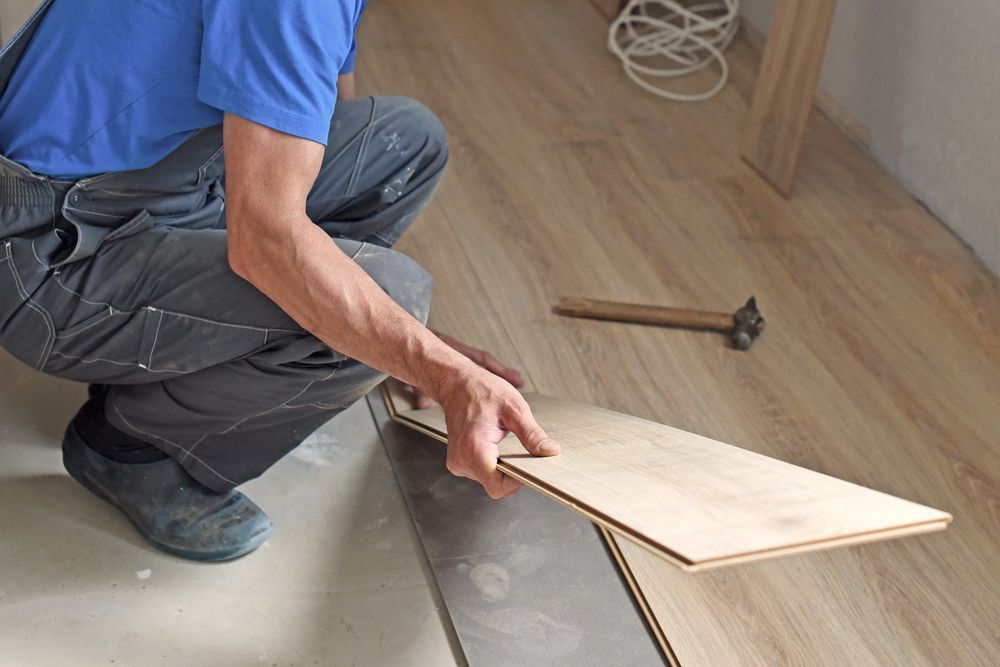
Before installing any finished flooring, confirm both the dry time and the moisture level of the surface. Every type of flooring has its own requirements. Tile and carpet are somewhat flexible, while hardwood, vinyl, epoxy, and polished concrete systems demand more controlled moisture levels.
At Premier Polishing Corp, we offer high-performance underlays, overlays, and surface preparation services that support strong results for your flooring system. We use our training, experience, and high-quality materials to deliver surfaces that help you move forward with your renovation or construction project.
Call us now to find out exactly how long self-leveling concrete takes to dry and plan your project with confidence.