
Recent Blogs
Polished Concrete Floors Vs. Tiles Cost: A Detailed Comparison
Quick Summary
This blog post compares polished concrete and tile through the cost areas that shape a real flooring budget, including installation, surface preparation, design, maintenance, and lasting value. It explains how polished concrete can be a practical choice for larger spaces with suitable slabs, while tile may fit certain rooms or design plans. The article also shows why ongoing care, grout upkeep, finish choices, and floor condition should guide your decision before choosing the best option for your property.
Choosing between polished concrete and tile often starts with one direct question: which option makes better financial sense for your space right now? The answer depends on more than the first quote you receive, so a quick price check can miss important costs. When people compare polished concrete floors vs. tiles cost, they need to review installation, preparation, finish options, maintenance, and lasting value. A floor that looks affordable at first can become more expensive once labor, repairs, cleaning, and replacement are added.
Let’s break down the real cost factors that can shape your flooring decision with much more confidence.
Installation Cost
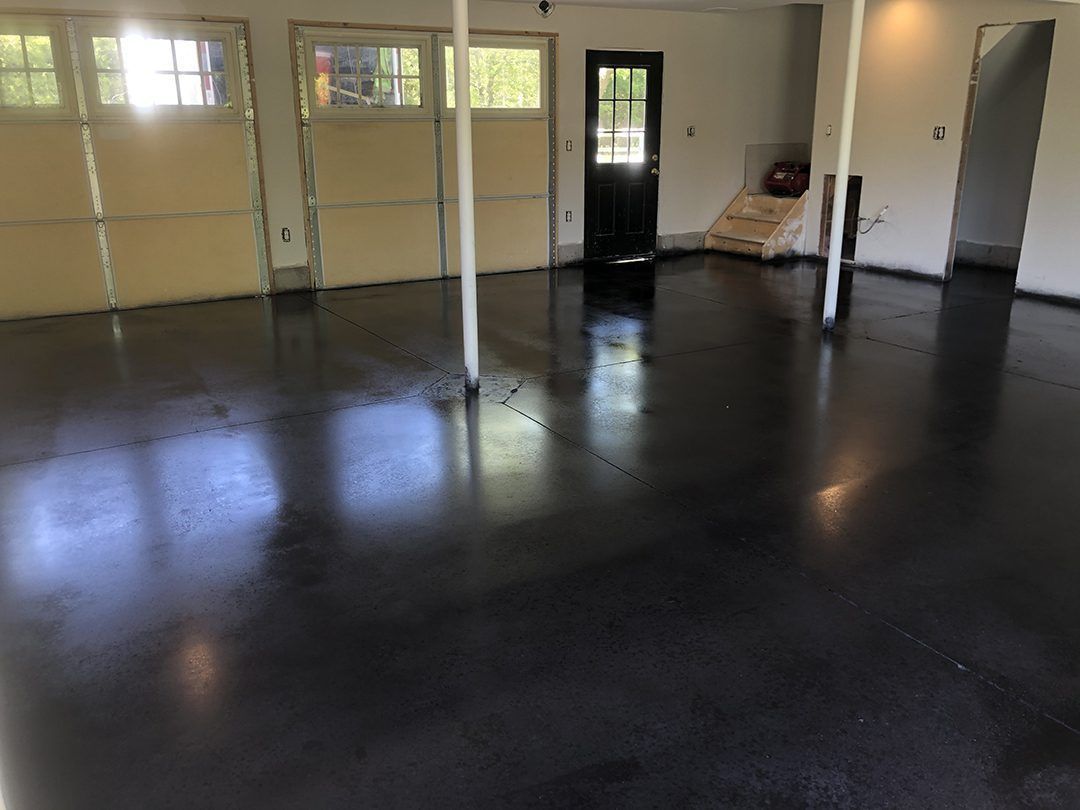
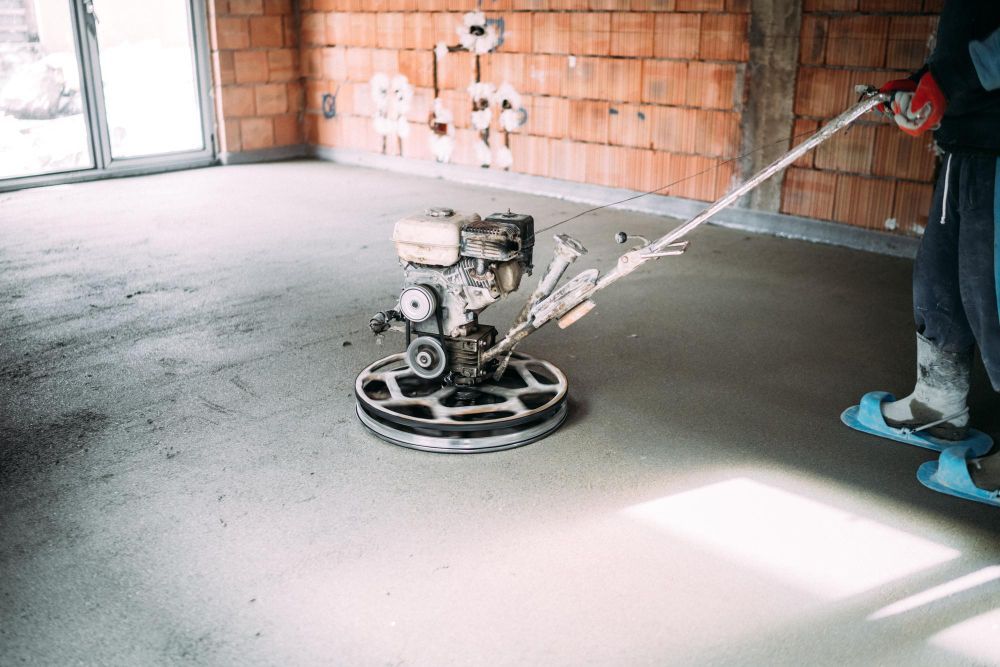
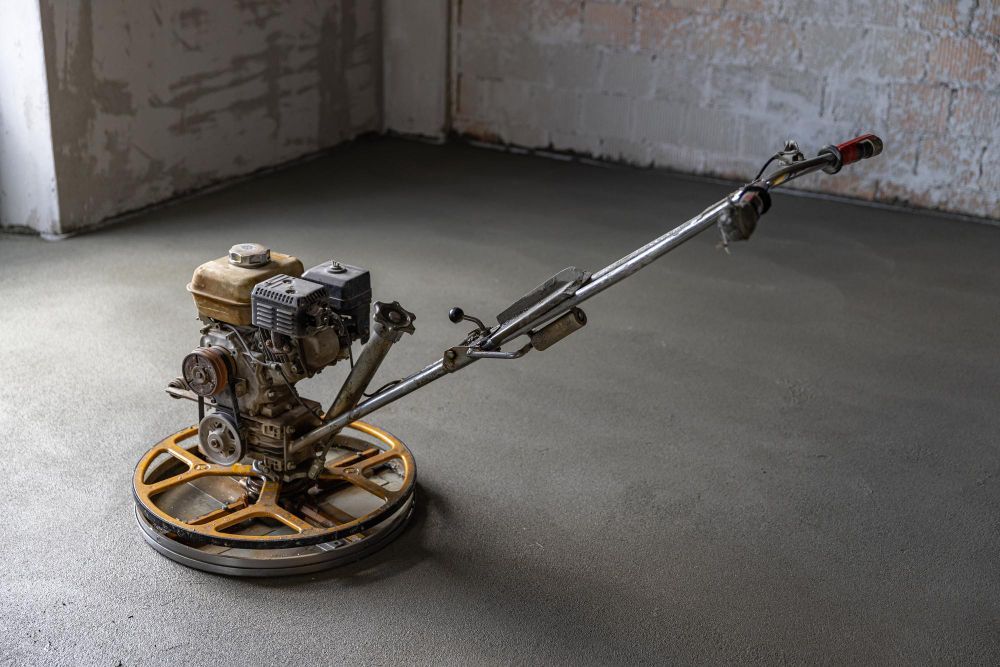
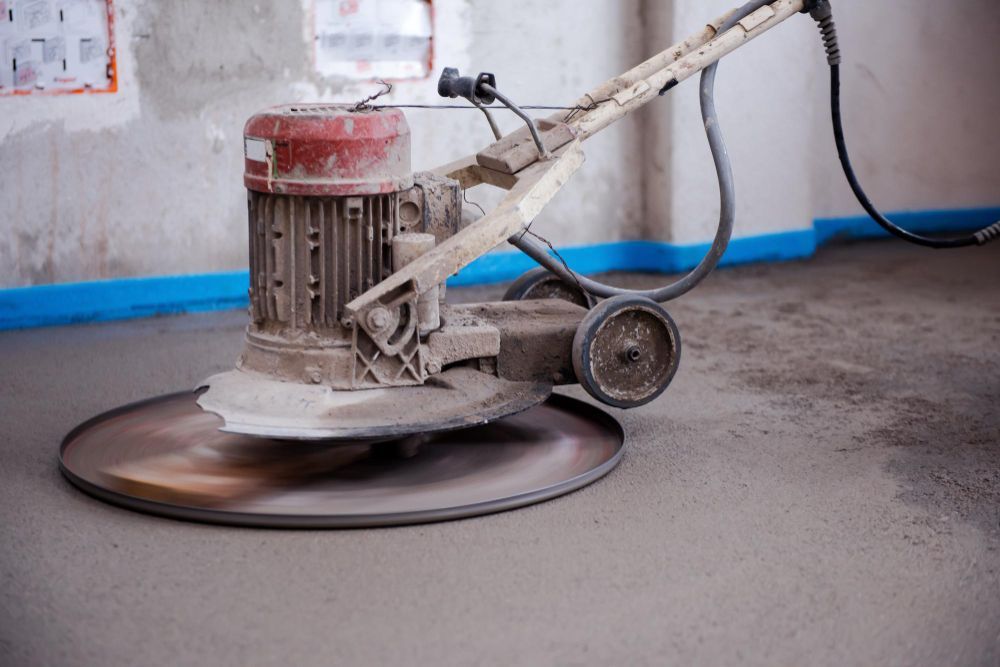
The first part of the budget usually comes from how each floor system is installed. Polished concrete often works with the existing slab, which can reduce the need for added flooring material when the concrete is suitable. The process may include grinding, densifying, polishing, and sealing, with cost shifting based on the space size, access, and finish level. Tile installation uses separate pieces, setting materials, grout, layout work, cutting, and careful placement, so labor can rise when rooms have corners, drains, patterns, or tight areas. Tile material may seem simple to compare at first, yet the installed price often includes several layers of work, while polished concrete can offer strong value in open spaces with ready slabs and predictable project planning for owners reviewing total flooring budgets.
Surface Preparation Cost
Before either surface can perform well, the base below it needs the right condition. With polished concrete, the slab must be checked for cracks, coatings, glue, mastic, stains, uneven sections, moisture concerns, and previous flooring marks. Extra grinding, patching, or coating removal can increase the project cost, especially when the slab has been covered for years or exposed to heavy use. Tile also depends on a stable base, so old flooring removal, leveling, underlayment, subfloor repair, and layout correction can affect the final quote. The main difference is that polished concrete reveals and refines the slab itself, while tile covers the surface with a separate flooring system and added material layers, which can raise material handling, disposal, and scheduling costs during preparation work across larger projects with strict job timelines.
Design and Finish Cost
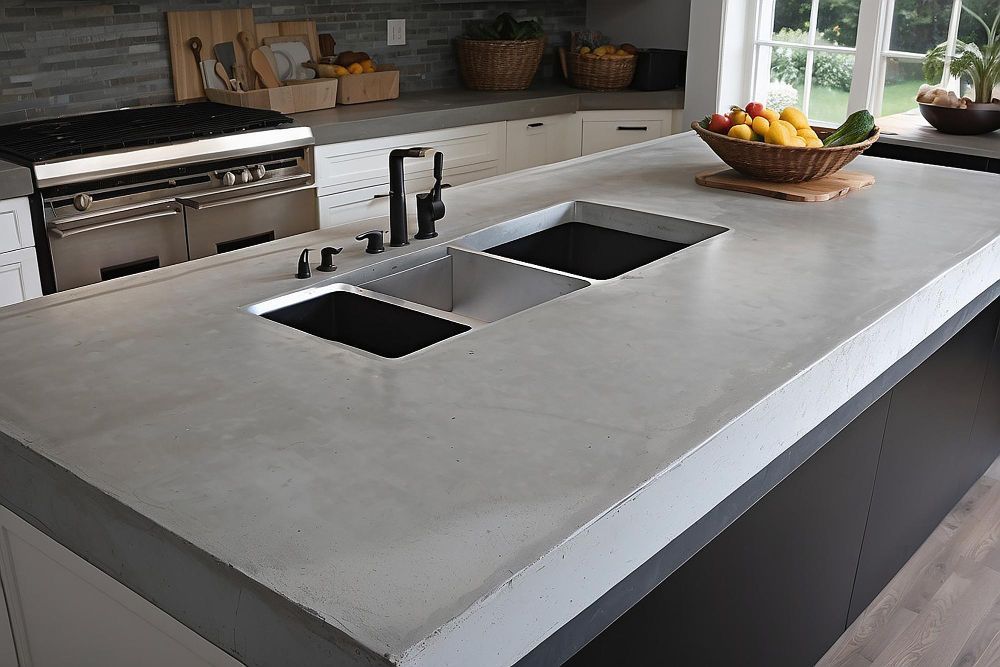
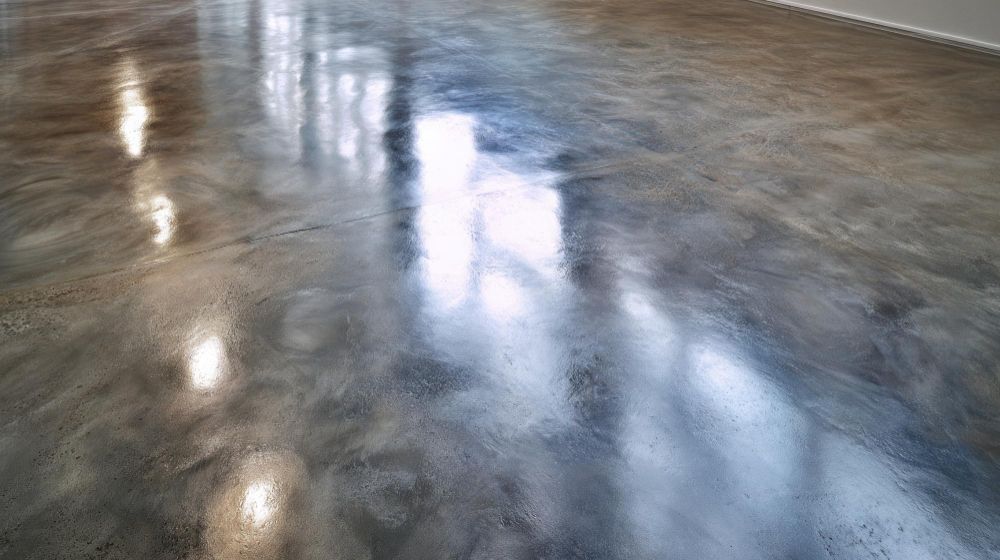
The look you want can move either option into a higher price range. Polished concrete costs can change with gloss level, aggregate exposure, staining, dyeing, decorative saw cuts, and the number of polishing steps needed to reach the desired appearance. A cream finish, salt and pepper exposure, random exposure, or deeper aggregate exposure each takes a different level of work and skill. Tile costs can rise through porcelain, stone, specialty shapes, intricate layouts, border details, custom patterns, and premium grout choices. For a modern, seamless appearance across a large area, polished concrete may create that effect with fewer separate materials, fewer visible joints, and a cleaner visual flow that supports showrooms, offices, restaurants, and contemporary homes without heavy pattern labor or excessive cutting waste on site during careful installation work.
Maintenance Cost
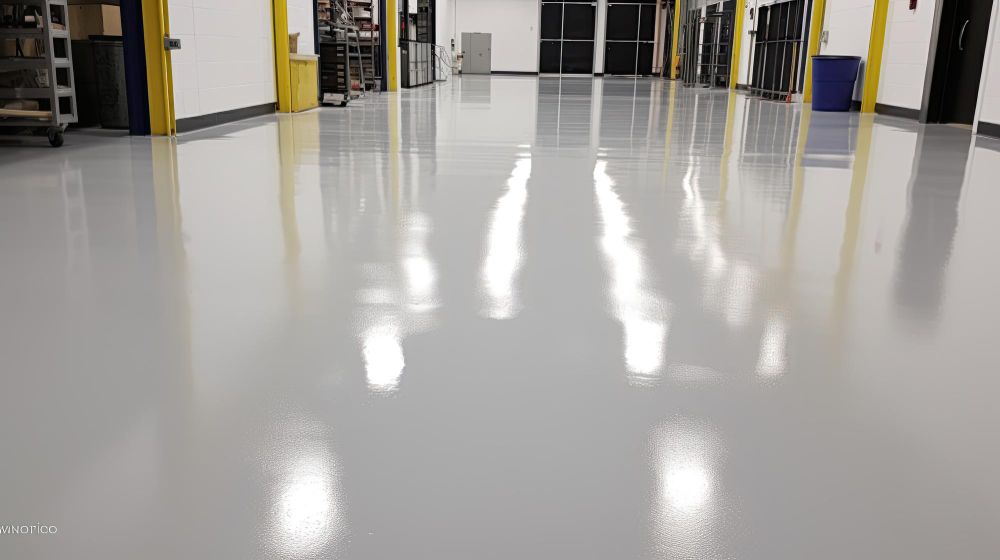
After installation, the cost conversation continues through cleaning and care. Polished concrete has no grout lines, which can make routine maintenance more efficient in homes, showrooms, warehouses, retail spaces, and other active interiors. Proper dust mopping, neutral cleaning, and periodic professional care can help the surface keep its appearance without complicated upkeep. Tile can perform well, yet grout can collect soil, discolor, crack, or require deeper cleaning over time, while individual tiles may chip or loosen in busy areas. The difference becomes more noticeable in larger spaces where every grout line adds cleaning time, making polished concrete a practical option for owners who want simpler ongoing care and fewer small repair points across the floor during daily operations and scheduled cleaning programs for staff and vendors alike all year long.
Turn Flooring Costs into a Smarter Investment
When you compare polished concrete and tile, the right choice comes from looking at installation, preparation, design, maintenance, and lasting value together. Tile can fit certain rooms or design plans, yet polished concrete often gives larger spaces a clean look, strong durability, and simpler upkeep. At Premier Polishing Corp, we help you review slab condition, traffic level, finish goals, and budget before recommending the right direction. Our team can support polished concrete, grind and seal, surface preparation, underlays, overlays, microtopping, and epoxy flooring when your space needs added performance. With in house civil engineers, trained crews, in house logistics, quality materials, and over 75 years of combined experience, we hold every project to high standards from planning through finish.
Contact us today to discuss your flooring goals and request guidance for your next project.
FAQs
Are polished concrete floors usually cheaper than tile?
Polished concrete can be more cost friendly when the existing slab is in good condition and the space is open. Tile can become more expensive through material, cutting, grout, layout work, and labor. The final cost depends on preparation needs, finish choice, design goals, and how much work the floor requires before installation.
What can increase the cost of polished concrete floors?
Several factors can raise the price, including cracks, coatings, glue, uneven areas, stains, or old flooring marks on the slab. The finish level also affects cost, especially when you want higher gloss, deeper aggregate exposure, staining, or decorative details. A professional floor assessment helps you understand what the project may require.
Which flooring option has lower maintenance costs over time?
Polished concrete often has lower maintenance needs in larger or high traffic spaces since it has no grout lines. Regular cleaning and proper care can help it keep its appearance. Tile can last well, but grout cleaning, grout repair, and individual tile replacement may add extra upkeep costs over time.